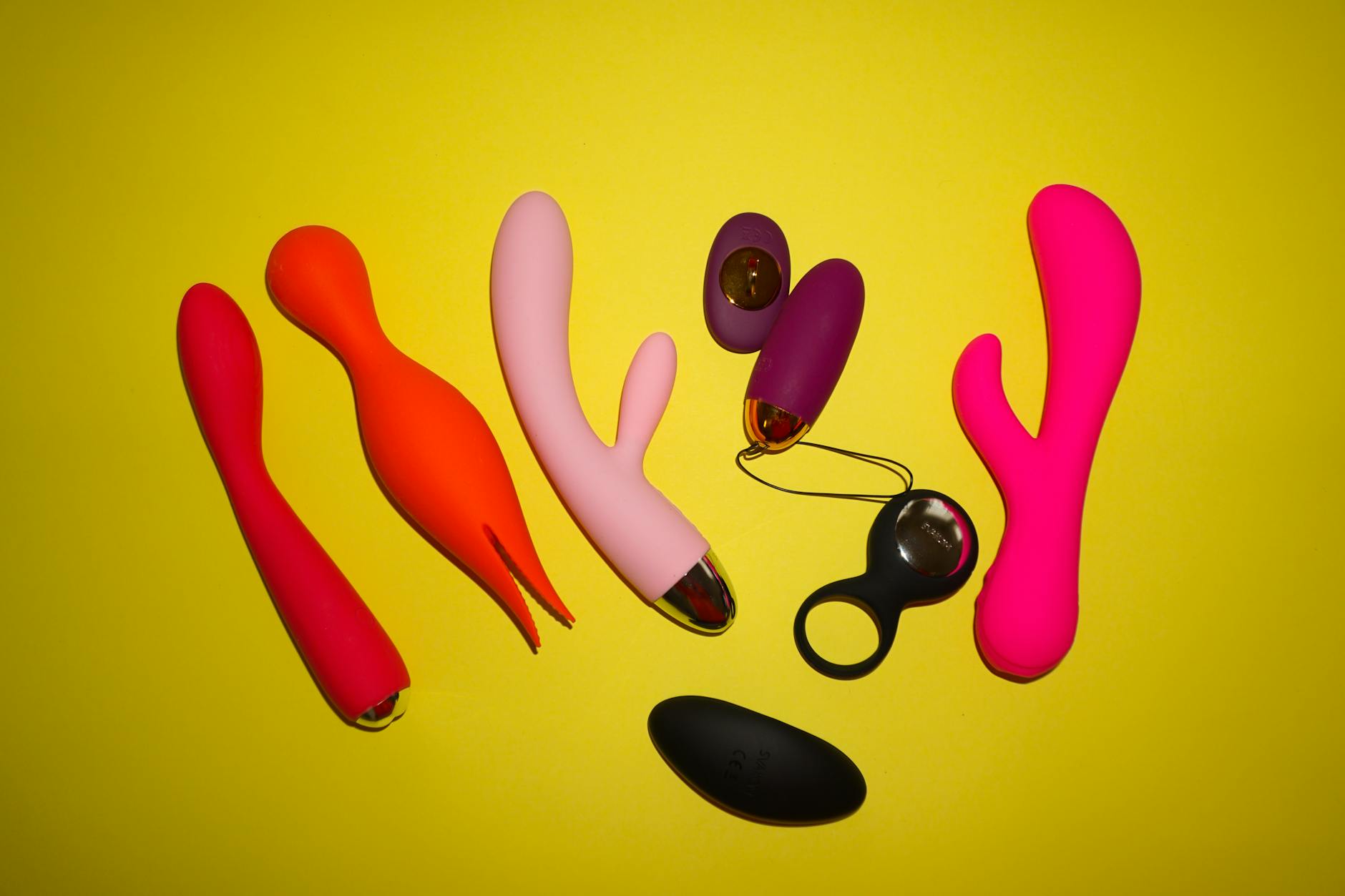
Here's the thing about slow arousal
Your body isn't being difficult. It's being protective. When arousal takes time to build, it usually means your nervous system is doing its job. It's filtering. It's checking whether the moment is actually safe before it floods your system with blood, sensation, and openness.
This shows up as: needing 20 minutes instead of 5 before you feel anything. Touching yourself and genuinely wondering if you're even aroused. A partner trying hard and you feeling... mostly nothing. That frustration is real. The broken feeling is real. But the broken part isn't your body.
Why your body takes longer to respond
Slow arousal has several common sources, and they're worth naming because the fix changes depending on what's actually happening.
Stress and the nervous system. When you're running on cortisol—work deadlines, family stuff, financial worry, the general hum of modern life—your sympathetic nervous system (the fight-or-flight one) is awake. Arousal requires the parasympathetic system (rest-and-digest) to take the wheel. If you're stressed, your body literally cannot access pleasure the same way. It's not willpower or desire. It's neurobiology.
Disconnection from sensation. Some people grow up in environments where touch isn't safe, where pleasure is shameful, or where their own body signals get ignored. That teaches your nervous system to turn the volume down on physical sensation as protection. You're not numb because something's wrong with you. You're numb because your system learned to protect you.
Medication side effects. Antidepressants, birth control, blood pressure meds, and ADHD medication can all slow arousal. This isn't rare. It's genuinely common, and it's worth asking your doctor about directly.
Hormonal shifts. Perimenopause, the luteal phase of your cycle, thyroid issues—hormones that regulate dopamine and arousal can make your body slow to wake up. Same with low testosterone across all bodies that produce it.
Relationship dynamics. If there's unresolved hurt, mismatched desire with a partner, or feeling unseen, your body won't open up no matter how technically stimulated you are. Your nervous system knows the difference between touch that's safe and touch that has unfinished conversation attached.
Why lemon vibrators actually work for this
Lemon vibrators, and air-suction toys like the Lem, work differently than traditional vibrators. Instead of broad vibration that requires your body to already be primed, they create concentrated suction stimulation. This matters for slow arousal specifically.
Here's why: your clitoris has about 8,000 nerve endings packed into a tiny area. Most vibrators spread that stimulation across your whole external anatomy. Suction focuses directly on the clitoral glans and the nerve clusters around it. For a body that's slow to respond, that precision is the difference between faint buzzing and actually feeling something.
The other piece is consistency. A lemon vibrator will deliver the same pattern, the same pressure, at the same spot for as long as you need. A human hand gets tired. Your brain gets distracted wondering if they're getting bored. A toy just... keeps going. For slow arousal, that reliable, patient stimulation is often what tips you from "I think I might be getting there" to actual, undeniable sensation.
The setup that actually matters
Using a lemon vibrator well when your body is slow to respond means you're not just grabbing it and hoping. You're creating conditions where arousal is possible.
Start with your nervous system, not your clitoris. Spend 10 minutes doing something that shifts you from stressed to calm. That's a bath, a walk, five minutes of deep breathing, music you actually like. This isn't fluffy. This is moving your nervous system from fight-or-flight to rest-and-digest. Without that, even the best toy won't help.
Give yourself permission to take forever. Seriously. If you usually expect arousal in 5-10 minutes, budget 30. If slow arousal is your normal, the moment you're racing against the clock, your sympathetic nervous system takes over and you're back to feeling nothing. Remove the time pressure entirely.
Use lubrication, even if you think you don't need it. When arousal is slow, natural lubrication is slow too. Water-based lubricant helps the toy glide smoothly without friction that can feel frustrating instead of good. It also signals to your nervous system that you're taking this seriously, that this is about pleasure, not performance.
How to actually use the toy
Start at a lower setting. I know every instruction manual says this, but people skip it because they think "lower setting" means you won't feel anything. With slow arousal, lower settings often feel like something first. It's gentler permission for your body to wake up.
Place it directly on your clitoris and let it stay still for 10-15 seconds before you move it. Your body might surprise you. Some people feel a delayed response. It takes a few seconds of consistent stimulus before the sensation registers and your body recognizes it as "this is for pleasure."
If you're genuinely feeling nothing after 5 minutes, bump the setting up slightly. But don't keep jumping. Give each setting at least a minute or two.
Many people with slow arousal find that alternating between two or three settings creates the most effective pattern. One minute on setting 2, shift to setting 3 for 90 seconds, back to setting 2. It keeps your nervous system engaged instead of habituating to a single pattern.
The partnered version
If you're using a lemon vibrator with someone, the conversation matters more than the toy. Tell your partner: "My body takes longer to wake up. This doesn't mean I'm not into this. It means my nervous system needs time." That distinction changes everything because they stop interpreting slowness as rejection.
Have them hold the vibrator while you focus on breath and relaxation. Sometimes handing the control to someone else, while you just receive, makes a real difference. You're not managing your own arousal. You're just breathing and noticing sensation.
If they're frustrated by the timeline, that's real and it's worth addressing separately from the sex itself. How to Use Lemon Vibrators for Partners With Mismatched Refractory Periods covers that dynamic more directly.
The medication and medical piece
If your slow arousal showed up after starting a medication, bring this up with your prescriber. Not as "this is ruining my life," but as "I'm noticing a change in arousal since starting this medication. What are my options?" Many doctors will adjust your dose, suggest a different medication, or recommend timing your dose around your sexual life if it's an antidepressant.
If you haven't had your thyroid checked and you're experiencing slow arousal along with fatigue or mood shifts, ask for a full thyroid panel, not just TSH. Low thyroid function absolutely tanks arousal.
If you're in perimenopause, testosterone therapy exists and is underused. It won't make you suddenly aroused in 30 seconds, but it can move you from "slow to respond" to "normal timeline." That's worth exploring with a menopause-informed clinician.
The nervous system wins the long game
Slowness isn't a flaw in your design. It's actually a feature of a body that's been paying attention to safety. The goal isn't to force your body to respond faster. It's to create an environment where your nervous system feels safe enough to open up at its own pace.
Lemon vibrators bridge that gap because they're patient, precise, and consistent in ways that human touch often isn't. They don't get frustrated. They don't interpret slowness as rejection. They just keep going until your body says yes.
People also ask
How long should I use a lemon vibrator if I'm not feeling anything?
If you're genuinely not feeling anything after 10-15 minutes with the toy directly on your clitoris at a medium setting, switch gears. Your nervous system might not be ready in that moment. Step away, do something grounding (walk, tea, music), come back in an hour or the next day. Pushing through numbness trains your body that pleasure requires force, which backfires.
Can slow arousal get faster over time?
Yes, but not by trying harder. It gets faster by consistently practicing relaxation, removing time pressure, and addressing what made your nervous system cautious in the first place. For some people it's therapy or medication. For others, it's just months of patient, pressure-free touch that rewires the idea that arousal is possible. Lemon vibrators help because they remove performance pressure.
Is slow arousal a sign my partner and I aren't compatible?
Not necessarily. Slow arousal is usually about your nervous system, not your desire for a partner. But if your partner interprets your slowness as "not into them" and won't hear that it's about your body's pace, that's a compatibility issue—but about communication, not desire. That's worth addressing directly or with a couples therapist.
Does lubrication help with slow arousal?
Yes. When arousal is slow, natural lubrication is slow too. Water-based lube lets a toy like the Lem work smoothly without friction that can feel irritating. It also signals permission to your nervous system. You're worth the preparation.
What if I use a lemon vibrator and still feel nothing?
Slow arousal sometimes needs multiple interventions. A toy alone might not be enough if stress is high, if there's relationship hurt underneath, or if medication is involved. Consider: stress management (therapy, exercise), addressing relationship dynamics with a partner, checking in with your doctor about medications, or a consultation with a sex therapist who can assess your full picture. The toy is one tool, not the whole solution.
Can I use lemon vibrators if I'm taking antidepressants?
Yes. Many people on antidepressants use lemon vibrators successfully. The challenge is that SSRIs genuinely do slow arousal for some people, and no amount of tool-switching fixes that. Lemon vibrators help because they require less arousal activation to feel good. But if medication is the root cause, talking to your doctor is the real move.
The pressure-free path forward
Your slow arousal isn't a bug to fix. It's information. It's your nervous system telling you something about safety, stress, or what your body actually needs. Lemon vibrators work because they respect that timeline instead of demanding speed.
If you want to explore this further, our contact page has options to reach out with specific questions. And if you're curious about the science of arousal timing, we've covered how lemon vibrators help when arousal takes longer to build in more detail.