Let's talk about the thing nobody mentions
One of you just finished. The other hasn't even started. This is normal, incredibly common, and something most couples either ignore or silently resent. Here's the gap that creates distance: after one partner orgasms, they often need time before they can engage again physically. The other partner may be ramping up, frustrated, or feeling rejected.
It's not a compatibility problem. It's a refractory period mismatch.
What refractory periods actually are
Refractory period is the recovery window after orgasm when your nervous system recalibrates. It's not laziness. It's biology. For some people it's five minutes, for others it's 20 or 30. It varies by age, stimulation type, stress levels, and arousal history.
Here's what matters: refractory periods are wildly different between partners, even long-term ones. And when you're not talking about it, you're usually creating one of three unhelpful dynamics.
The first is silent frustration. The faster-recovering partner learns not to express their ongoing desire because "we just finished." Over months, that becomes resentment. The second is the rush. The slower-recovering partner feels pressured to get back in the game before they're ready, so they fake readiness. Third is avoidance where couples eventually stop trying altogether because the timing feels too awkward.
Lemon vibrators, particularly air-suction devices like the Lem, solve this in a way that regular penetrative sex or fingers can't.
Why refractory period mismatches create couple friction
The physiology here matters because it shapes what you're actually dealing with. When someone with a penis finishes, their nervous system tends toward a longer off-ramp. When someone with a vulva finishes, they often have the biological capacity for multiple orgasms much more quickly, if they choose.
But desire and physical capacity aren't the same thing. One partner might have multiple orgasms available biologically but need emotional processing time. Another might need three minutes of transition before round two feels good.
The hidden problem is this: when you're trying to sync your pleasure with only your bodies and your hands, the mismatch becomes an obstacle. Someone has to go on hold. Someone has to slow down or speed up. This creates a feeling of negotiation that shouldn't be necessary in intimate space.
That's where the framing shifts. Instead of "we take turns," it becomes "we create parallel pleasure." And lemon clitoral vibrators are essentially designed for exactly this.
How lemon vibrators solve the timing problem
Here's the mechanics: air-suction vibrators like the Lem don't require someone else's involvement or timing coordination. This matters enormously. One partner can be in recovery mode, talking, touching you softly, being present, while a lemon vibrator does the work. You get stimulation without requiring them to perform.
This feels different from a vibrator alone because you're not just getting sensation in isolation. Your partner is there. You're still connected. But the pressure of synchronized timing evaporates.
Think of it practically. After your partner orgasms, they need 15 minutes before they're interested in penetration again. But you're still in arousal mode. Without a tool, you're either waiting (resentment accumulates) or you're asking them to manually stimulate you before they're ready (they feel obligated). With a lemon vibrator, you use it while they rest their head on your chest, your hands on theirs, and you're both still in intimacy. No one sacrifices.
The second way lemon sexual toys help is through intensity control. People with longer refractory periods often need gentler, less stimulating touch during recovery. But their partner might need stronger sensation. A lemon clitoral vibrator gives you independent control. You can use pattern and intensity that works for your body, independent of what your partner's nervous system can handle right now.
Communication first, then tools
I need to be direct here: a lemon vibrator doesn't fix a couple that hasn't talked about refractory periods. It just makes the avoidance more comfortable.
Before you bring toys into this, have the actual conversation. Say something like: "I've noticed that after you finish, I'm usually still interested. That's not a problem with you. But I want to figure out what works for both of us instead of me just waiting or you pushing yourself before you're ready."
Then listen. Really listen. Some people feel guilty about needing recovery time. Some feel invisible when their partner continues without them. Some worry they're not enough. That stuff comes out when you create safety to talk about it.
Once you've named it, the lemon vibrator becomes a tool, not a band-aid.
The practical logistics
Three things that work:
Keep it accessible. If you have to hunt for the vibrator after things get intimate, the moment passes. Keep it on the nightstand. This removes friction and signals that this is a normal part of your sexual landscape as a couple.
Start with a trial run when you're not actively intimate. Talk about what intensity, pattern, and duration feels good for the person using it. This is foreplay information that makes sex better, not a separate activity. When you both know that pattern 3 at medium intensity is the sweet spot, you're not fumbling in the moment.
Decide if you want simultaneous or sequential. Some couples prefer both partners finishing around the same time with vibration. Others prefer that one person is done first and the other uses the vibrator while their partner transitions. Talk about what feels connected to both of you.
What this actually does for your relationship
I've watched couples transform when they stop treating refractory period mismatch as a performance problem and start treating it as a logistics problem. Because that's what it is. You both want pleasure. Your bodies just operate on different timelines. That's not a failure.
When you solve the logistics together, something shifts. You stop performing and start collaborating. Your partner isn't watching to see if you're satisfied. They're present in a different way. You're not waiting for them to be ready again.
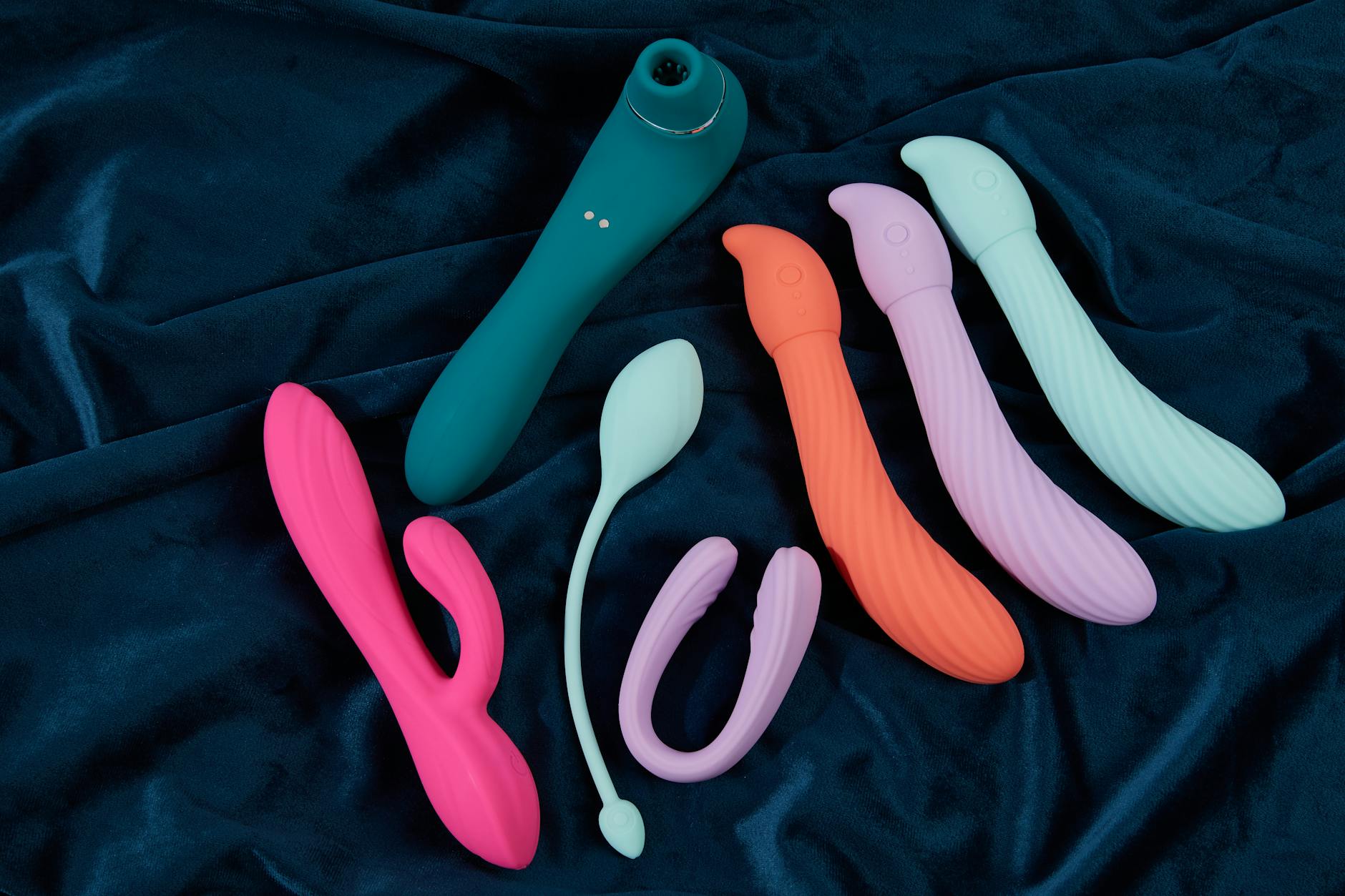
Photo by IFONNX Toys on Pexels
The lemon clitoral vibrator becomes the thing that lets you both win. Your pleasure doesn't have to pause while your partner recovers. Their recovery doesn't have to interrupt your arousal. You're not negotiating. You're just moving through intimacy together.
This also teaches you something valuable about desire. When you remove the pressure to be in sync, couples often discover they actually enjoy watching their partner have pleasure independently. It's sexy in a different register than synchronized orgasms. It's vulnerable and generous.
The longer view
Refractory period mismatch doesn't go away with time. If anything, it becomes more pronounced as people age. If you're in your 30s and noticing this, get comfortable with it now rather than pretending it will resolve. Some couples actually sync better over time if they understand how their bodies work. Most just accept the mismatch and figure out how to work with it rather than around it.
Lemon sexual toys aren't the only solution, but they're an honest one. They're designed for clitoral stimulation without relying on a partner's sustained engagement. Which means you both get what you actually need instead of compromising toward something that leaves both of you slightly frustrated.
FAQ: Refractory periods and lemon vibrators
What if one of us feels left out when the other uses a vibrator?
That's often about vulnerability, not the vibrator. Talk about it outside the bedroom first. Sometimes the issue is "I feel like you're choosing a toy over me." That's answerable. Sometimes it's "I feel inadequate." That's a different conversation. The vibrator isn't the problem; the underlying insecurity is. Work that out through conversation or couples therapy before you expect the tool to fix it.
How long is a typical refractory period?
It varies hugely. For people with vulvas, refractory periods can be seconds to minutes, or sometimes hours depending on the type of stimulation. For people with penises, refractory periods typically range from a few minutes to 30 minutes or longer as people age. Hormones, stress, medications, and arousal history all shift it. There's no universal timeline.
Is it normal to need more recovery time as we get older?
Completely normal. Refractory periods lengthen with age for most people. This is one of the reasons lemon vibrators become more valuable for couples in their 40s, 50s, and beyond. You get independent pleasure access without waiting.
Can using a lemon vibrator while my partner recovers hurt our connection?
No. If anything, the opposite. You're being vulnerable and honest about your needs instead of hiding them. You're collaborating instead of waiting passively. The connection deepens because you're solving a real problem together.
What if my partner doesn't want to be around while I use the vibrator?
That's okay. Some couples prefer privacy for solo pleasure, even if they're sleeping in the same bed. Others love being present during it. Neither is wrong. You just need to talk about what feels intimate versus what feels intrusive to each person.
Should we use a lemon vibrator during partnered sex or only during recovery time?
Both work. Some couples integrate lemon clitoral vibrators into partnered sex for combined stimulation. Others use them primarily during the refractory period when one person needs pleasure and the other needs rest. There's no script. You're writing it together.
The core point
Refractory period mismatch is one of the most common but least discussed sources of quiet resentment in relationships. You've probably felt it. Your partner has felt it too. And the solution isn't to pretend your bodies sync better than they do. It's to get honest about how they actually work and find tools that let you both have pleasure without one person sacrificing.
Lemon sexual toys, especially clitoral vibrators designed for independent use, are genuinely useful in this space. But only if you've already had the conversation about timing, desire, and what each of you actually needs.
Start there. The tools follow.
If you're navigating couple dynamics beyond just pleasure timing, our couples-focused articles on communication and desire mismatches might help deepen that conversation.