Here's what nobody tells you about pleasure and partners
Your clitoris doesn't reset when you change partners. But your nervous system does. The way your body responds to touch, the speed of arousal, the intensity of orgasm, the pattern that gets you there fastest. all of it shifts based on who's touching you, what's happening emotionally, and how safe your nervous system feels in that moment.
This isn't a flaw. It's actually how your body is supposed to work. But it means that if you've just entered a new relationship or reconnected with someone after time apart, your pleasure map might look completely different from what you remember. That disorientation is real, and it's temporary.
Why sensation actually changes with different partners
Your clitoral response depends partly on physiology and hugely on context. Three things shift when you're with someone new:
1. Nervous system state. New partners = unfamiliar patterns. Your body is processing microexpressions, different breathing rhythms, unfamiliar hands. Your nervous system is working to feel safe. That mental load reduces blood flow to your genitals and slows arousal. It's not disinterest. It's your body being appropriately cautious.
2. Pressure and expectations. Even when you're excited about someone, there's often an unspoken pressure to perform or respond the way you did with previous partners. That pressure tightens the pelvic floor, which literally reduces sensation and makes orgasm harder to reach.
3. Different touch patterns. Every partner has different hands, different rhythm, different intuition about pressure. Your body isn't calibrated to them yet. What worked perfectly with a previous partner might feel too light, too fast, or misaligned with your current arousal level.
None of these mean something is wrong with you or the relationship. They mean your body is doing exactly what it should do: requiring presence and permission before it opens up.
Why lemon vibrators help recalibration happen faster
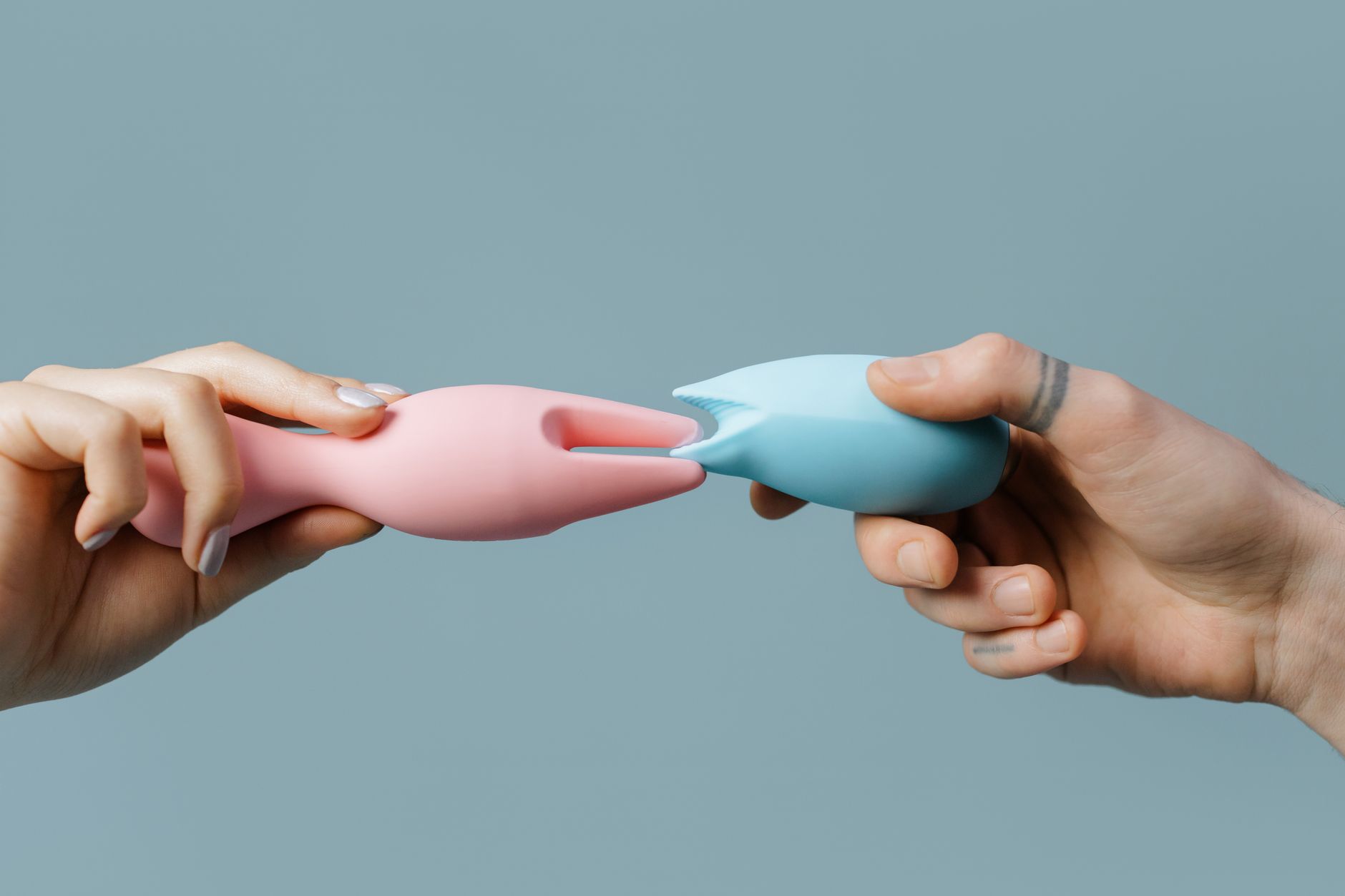
Lemon clitoral vibrators like the Lemon toy work differently than other vibrators because they use suction and pulsation rather than pure vibration. For someone navigating new pleasure with a new partner, this matters significantly.
When sensation feels muted or slow to build, suction stimulation bypasses some of the anxiety loop. It's consistent, predictable, and doesn't depend on your partner's intuition about pressure. That consistency gives your nervous system permission to relax. Once you know what consistent pleasure feels like solo, you can communicate it to a partner more clearly.
For people who feel disconnected during partnered sex because they're in their head about performance, a lemon vibrator during partnered play recenters attention on sensation rather than observation. You stop wondering "am I taking too long" and start experiencing what actually feels good.
The three-stage approach to using clitoral vibrators with a new partner
Stage one: Solo exploration. Spend 1-2 weeks using a lemon vibrator alone to remember what your baseline pleasure feels like. This isn't about chasing orgasm. It's about re-establishing your sensation map. You'll notice which patterns, pressures, and timing work now. Your pleasure signature may have shifted since your last relationship, and that's completely normal.
Stage two: Communication and naming. Once you know what you like solo, tell your partner. Specifically. Not "I like it gentler" but "I like slower rhythm for the first 10 minutes, then I want more intensity." Use your experience with the lemon vibrator to translate sensation into language. Your partner needs actual information, not guessing.
Stage three: Integration. Some people want their partner to use a lemon vibrator on them. Some want to use it solo during partnered sex. Some want partnered touch alongside it. There's no "right" way. What matters is that you're using a tool that gives you agency over your own sensation rather than waiting for your partner to guess correctly.
The pressure-release conversation
New relationship energy comes with invisible pressure to respond the same way you did with exes, to be "easy," to not need tools or time or communication. Lemon vibrators are permission to reject that pressure. They're a way of saying "my pleasure matters, and I'm not going to pretend my body works differently than it does."
If your new partner resists the introduction of a vibrator, that's worth examining. Not as a dealbreaker necessarily, but as information. Resistance often masks anxiety about comparison, inadequacy, or loss of control. Those are solvable conversations, but they need to happen explicitly. Skipping over them and just not using the vibrator teaches your body that your pleasure is less important than their comfort.
You deserve a partner who's curious about what helps you feel good, not defensive about tools that enhance your experience.
Rhythm and timing with new sensation
When sensation feels different, the temptation is to go harder, faster, use more intensity. Usually the opposite helps. Start with lower intensity settings on a lemon vibrator. Notice what pattern actually builds arousal instead of flattening it.
Arrhythmia and inconsistency will slow your response. A partner who changes pressure every 10 seconds or speeds up when you're just getting there will keep you stuck. Consistency and patience do the heavy lifting. Once you've built arousal with predictable sensation, faster rhythm will feel good. Without that foundation, it just feels scattered.
Lemon vibrators excel at consistency. Use that to your advantage during the recalibration period.
What to do if sensation stays muted
If after 3-4 weeks with a new partner sensation still feels distant or hard to access, it's worth asking whether something emotional is happening that's worth naming. Sometimes new relationships unearth old stuff. Trauma, attachment patterns, fear of vulnerability. Those aren't sexual problems. They're relationship problems wearing a sexual disguise.
If that's the case, a vibrator can't fix it, but it can help you stay connected to sensation while you sort through the emotional layer. Keep using a lemon vibrator or other clitoral vibrator for solo pleasure. Don't expect that pleasure to automatically transfer to partnered time until the nervous system is actually safe.
The reset myth
Your body doesn't forget how to feel good. But it does recalibrate with each person and each phase of a relationship. That's not a failure. That's adaptation. Your clitoris isn't a button that works the same way for everyone. It's a complex piece of your nervous system that responds to safety, attention, and presence.
Lemon vibrators help because they give you reliable sensation while your body figures out if this new partner is safe. Once trust is established, that baseline pleasure usually gets easier to access. And sometimes, with the right person and the right communication, pleasure becomes richer than it was before.
People also ask
Why does my clitoris respond differently with different partners?
Your clitoral response depends on psychological safety, familiarity with a partner's touch patterns, and your nervous system state. New partners require your body to assess safety first, which can slow arousal. Additionally, different partners have different hands, rhythms, and intuitive pressure. Your body isn't broken. It's protecting you by requiring a recalibration period before full arousal kicks in. This usually resolves within weeks once trust deepens.
Can lemon clitoral vibrators help me feel pleasure faster with a new partner?
Yes, but they work best as a solo tool first. Using a lemon vibrator alone helps you reconnect with your own baseline pleasure and gives you clear language to communicate what works to your partner. During partnered sex, clitoral vibrators can reduce performance anxiety by giving you direct control over your sensation. This refocuses your attention from "am I taking too long" to actual physical sensation, which often speeds up your response.
Should I use a lemon vibrator during sex with a new partner?
That depends on your comfort and theirs. Some people prefer solo exploration first, then communication, then integration. Others want to bring a vibrator into partnered time immediately. There's no timeline. What matters is that you're making the choice actively, not skipping it because you feel pressure to perform without tools. If your partner resists, that's worth a direct conversation about why.
What if my partner thinks a lemon vibrator means they're not enough?
This is a common fear and it usually signals that someone needs reassurance about their role and value in your pleasure. A useful reframe: a vibrator isn't a replacement for your partner. It's a tool that helps your nervous system relax so you can actually feel them. Many partners find that using a lemon vibrator during sex together increases intimacy because their partner is more present and responsive, not less. If your partner remains defensive after honest conversation, that's relationship information worth sitting with.
How long does it take for sensation to feel normal with a new partner?
Recalibration typically takes 3-8 weeks of consistent partnered contact, depending on how much trust and communication is happening. Solo exploration with a lemon vibrator can accelerate this by helping you stay connected to your own pleasure while your nervous system assesses safety. If sensation is still significantly muted after 8 weeks and communication is solid, it's worth checking whether something emotional (past trauma, anxiety, attachment patterns) is at play.
Can lemon vibrators help if I feel numb or disconnected during new relationship sex?
Yes. Numbness during partnered sex often comes from being in your head rather than in your body. A lemon vibrator gives you something specific to focus on somatically. It can help pull you out of the observer role and back into sensation. Use it during foreplay or as part of partnered sex, whichever feels right. The sensory specificity of clitoral vibrators makes them particularly useful for re-embodiment.
What comes next
Sensation shifting with a new partner is normal. Your body isn't broken, and you're not doing anything wrong. But you might need to do something different. That's where tools like lemon clitoral vibrators come in. They give you direct access to reliable pleasure while you and your partner build safety and trust together.
If you want to explore this further or have questions about how to navigate pleasure shifts in your specific relationship, we're here to help. Reach out at /contact to talk with our team about what might work best for you.