Here's what nobody tells you about mismatched arousal timelines
One of you is ready in five minutes. The other needs twenty. That's not a flaw in your relationship. It's normal neurology, and it's one of the most common friction points couples never actually talk about because it feels awkward to name.
The usual advice is to "spend more time on foreplay," which is technically correct and completely unhelpful. It doesn't address the real problem. Real problem: one person is waiting around feeling self-conscious, and the other is feeling rushed. Both of you end up tense. Neither is actually turned on.
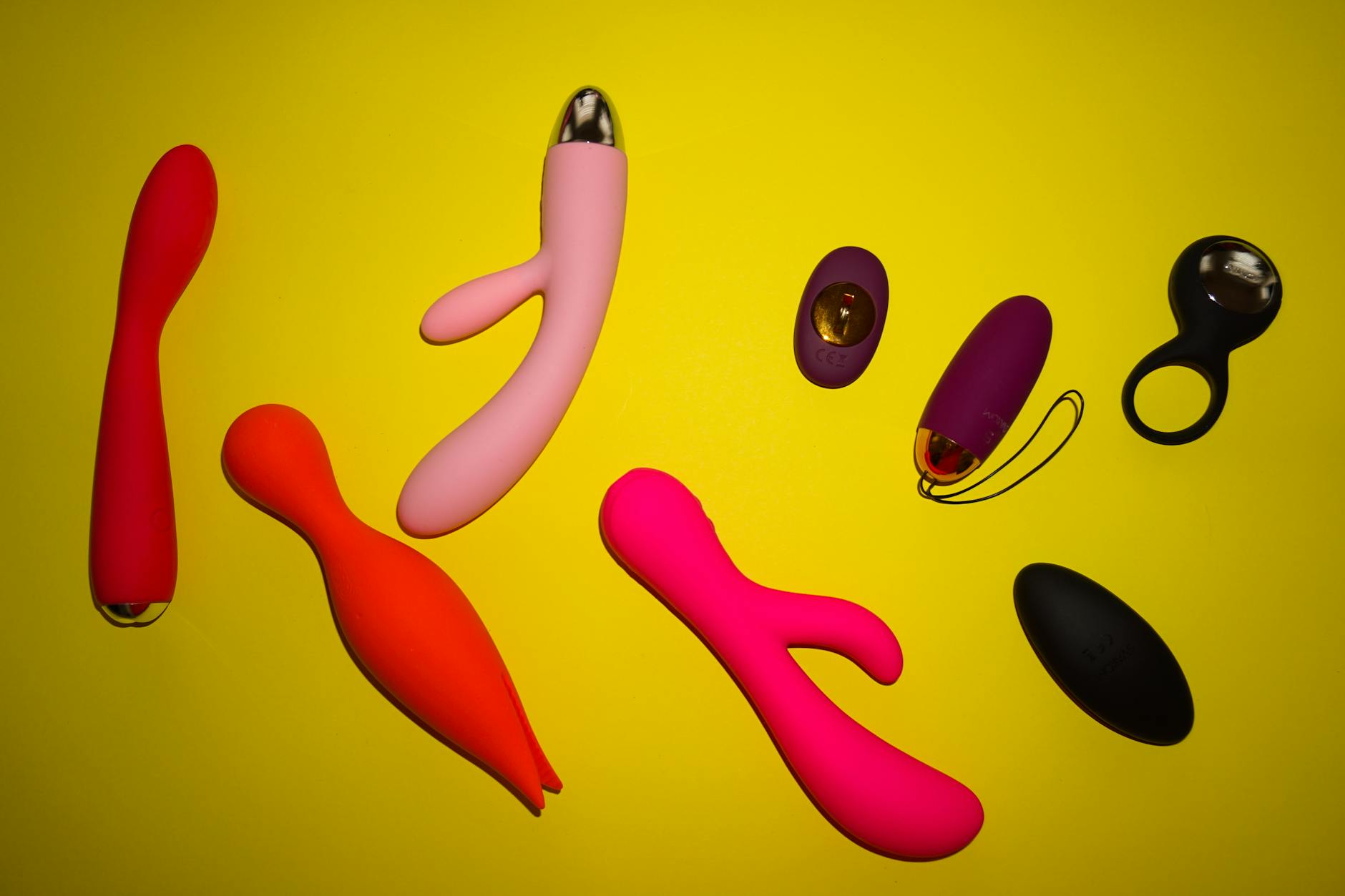
That's where lemon vibrators shift the dynamic entirely. Not because they magically speed anyone up, but because they give you something concrete to do together while arousal catches up on its own timeline.
Why arousal timing actually matters in couples' sex
Arousal isn't just physical. It's neurological and psychological. Some people's nervous systems respond to touch quickly. Some need mental engagement first. Some need to feel emotionally connected. Some need a quieter room or different lighting or to have already talked about what's going to happen.
Add a partner into the mix and you've got two completely different operating systems trying to sync up in real time. The frustration isn't about desire. Both of you probably want sex. The frustration is about the mismatch itself, which creates a low-key pressure that actually prevents arousal from building naturally.
Your brain can't get turned on while also managing guilt, self-consciousness, or worry that your partner is bored. That's just how the nervous system works.
The arousal gap: what's actually happening
One of you might have a nervous system that responds quickly to stimulation. The other's nervous system needs parasympathetic activation first. That means they need to feel safe, unhurried, and free from performance pressure before their body can start responding.
When partners have mismatched arousal timelines, the common pattern looks like this. The faster-arousing partner initiates. The slower partner feels rushed and tenses up. The faster partner feels rejected or like they're doing something wrong. The slower partner feels guilty. Everyone's anxious. Sex doesn't happen, or it happens but it's not great for either of you.
A lemon clitoral vibrator breaks that feedback loop because it gives you a way to do something together instead of waiting for one person to catch up.
How lemon vibrators actually solve this
Let's be clear about what's happening here. A lemon vibrator isn't forcing arousal faster. If anything, it slows the process down intentionally, which is the whole point.
Here's the shift. Instead of one partner touching the other and waiting for a response (which creates performance pressure), you're both engaged in something. The person using the vibrator is getting direct stimulation at their own pace. The partner is present, involved, watching what feels good, learning what buttons actually work. No one's waiting. No one's checking the clock.
That takes the emotional charge out of arousal timing. Suddenly it's not "why aren't you ready yet?" It's "let me see what makes you feel good right now." Totally different conversation.
The three-step setup that actually works
Step one: Talk about it beforehand, not during.
This is the non-negotiable part. Not during sex. Before. Something like: "Hey, I've noticed we sometimes feel out of sync with timing. I want to try something that might help. Would you be open to using a vibrator together?" If they say no, that's information too, and you should dig into why.
The conversation removes the surprise element and also the awkwardness of introducing a toy mid-session when someone's already self-conscious.
Step two: Start with no pressure and lower intensity.
Start with pattern one, the lowest setting. Let your partner hold it, or hold it together. The point isn't to race toward orgasm. The point is to spend time together while arousal builds naturally. This usually takes longer than you'd expect, which is exactly right.
If you're the faster-arousing partner, your job is to slow down and stay present instead of jumping ahead. That's harder than it sounds. Your nervous system is wired to escalate. Consciously not escalating is an active practice.
Step three: Let the slower-arousing partner set the pace.
They control the vibrator. They say when to increase intensity. They pause when they need to. This flips the power dynamic in a way that helps. Instead of them responding to stimulation you're providing, they're directing their own experience while you're there witnessing it.
What to do with your hands and attention
You're not just standing there holding a vibrator. That defeats the purpose.
Touch other parts of their body. Kiss their neck. Talk to them. Ask what feels good. Notice what makes their breathing change. Pay attention to what they're responding to. This is information gathering, and it's also intimacy building.
For the person holding the vibrator, narrate what you're feeling. "This pattern on the left side feels stronger." "I need a second to breathe." "That's good, keep going." Communication here isn't clinical. It's part of the experience. It tells your partner you're engaged and present.
The partner who aroused quickly: what's your role here?
You need to practice patience, which is harder than it sounds because your nervous system is already activated and ready. Your job is to shift from performer to participant. You're not trying to turn them on. You're learning how they like to be touched and what rhythm works for their body.
This is actually more intimate than traditional partnered sex, even though it might not feel like it at first. You're not rushing to a destination. You're exploring together.
If waiting feels uncomfortable, that's your nervous system asking for attention too. You can touch yourself, ask for touch, or use another lemon vibrator together. Parallel pleasure is an option. You don't have to hold still and wait.
Troubleshooting the common friction points
"But this feels like it's taking forever."
Yes. That's the point. Arousal isn't supposed to be fast. The faster you try to make it, the slower it actually gets because of performance pressure. If you're watching the clock, your partner feels that energy. Set a time boundary you're both okay with, then drop the clock. If you've got thirty minutes, spend thirty minutes. Not watching helps.
"I feel self-conscious being watched."
This is common and worth naming out loud. The watching piece is crucial, but it shouldn't feel invasive. Dim the lights. Look at them, but also look away sometimes. Be present, not clinical. Touch them while you watch. Make it collaborative, not observational.
"They're taking too long and I'm losing my own arousal."
That's your signal to introduce your own vibrator or ask for touch. Parallel pleasure solves this. You don't have to stay stationary. You're both working toward pleasure, not one person servicing the other while staying cold.
"It doesn't feel as intimate as regular sex."
Try it a few times before deciding. Couples usually find that focusing entirely on one person's pleasure for fifteen minutes, without the goal of penetration, actually creates more intimacy than sex where everyone's distracted by trying to coordinate timing. This is a different shape of intimacy. It takes practice to feel natural.
When lemon vibrators are the right call
They work best when the timing mismatch is the actual problem. If the real issue is that someone has low desire overall, a vibrator won't fix that. If there's anger or disconnection underneath, a vibrator won't fix that either.
But if both of you want sex and you're just out of sync on timing, lemon clitoral vibrators help bridge that gap by giving you a concrete practice that feels good and keeps you connected while arousal builds at its own pace.
The conversation after
Once you're done, talk about it. Not "did you like it?" with a yes-or-no answer. Talk about what you noticed. What felt good. What felt awkward. What you want to try differently next time. This isn't a performance review. It's data gathering and intimacy building.
Couples who use vibrators together and also talk about what's working tend to have better sex overall, not just when they're using a toy. The communication becomes a habit.
FAQ: Arousal timing and lemon vibrators
How long should foreplay actually take if one partner needs more time?
There's no set timer. Some people are ready in ten minutes. Some need twenty or thirty. The goal isn't a specific duration. The goal is that both people actually feel turned on before sex starts. If that takes longer than you're used to, you're not doing it wrong. You're just discovering how your partner actually works. Budget time accordingly and remove the clock.
Is it okay to use a lemon vibrator every single time we have sex?
Absolutely. There's no rule that says vibrators should be occasional or special. If it works for your body and your dynamic, use it every time. Your pleasure matters. If one partner needs more time to arouse and a vibrator solves that, why wouldn't you use it?
What if my partner feels insecure about using a vibrator together?
Insecurity often comes from one of two places. Either they think the vibrator means their touch isn't enough (it doesn't), or they think it means something's wrong with the relationship (it doesn't). Name both of those directly. A vibrator is a tool. It's not replacing them. If you want, frame it as "I want to learn your body better, and this helps me do that." If the insecurity goes deeper, it might be worth talking to a couples therapist.
Can we use a lemon vibrator if my partner has erectile dysfunction?
Yes. A vibrator shifts focus away from penetration and onto clitoral pleasure, which actually reduces performance pressure on the partner with ED. When sex isn't about erections, a lot of the anxiety melts away. Lemon vibrators help when your partner has erectile dysfunction because they give you another pathway to pleasure that doesn't depend on that piece.
How do I bring this up without making it weird?
You make it less weird by not treating it like a big deal. "I read something about couples using vibrators and I thought it might help with the timing thing we've been noticing. Would you want to try?" That's it. You don't need a fancy setup or a special conversation. Direct and casual is better than tiptoeing around it.
What's the best lemon vibrator to start with for couples?
Start with something simple and not too intense. The lemon vibrator is a solid choice because it's intuitive, has multiple patterns, and doesn't require a learning curve. You want something you can hand to your partner without explanation. Avoid anything intimidating or overly complex when you're first introducing the idea.
The real point
Mismatched arousal timelines aren't a problem to solve. They're information about how your bodies work differently, and that's actually useful data for better sex. A lemon vibrator isn't a shortcut. It's a way to slow down, stay connected, and let arousal build on its own timeline without the performance pressure that kills it in the first place.