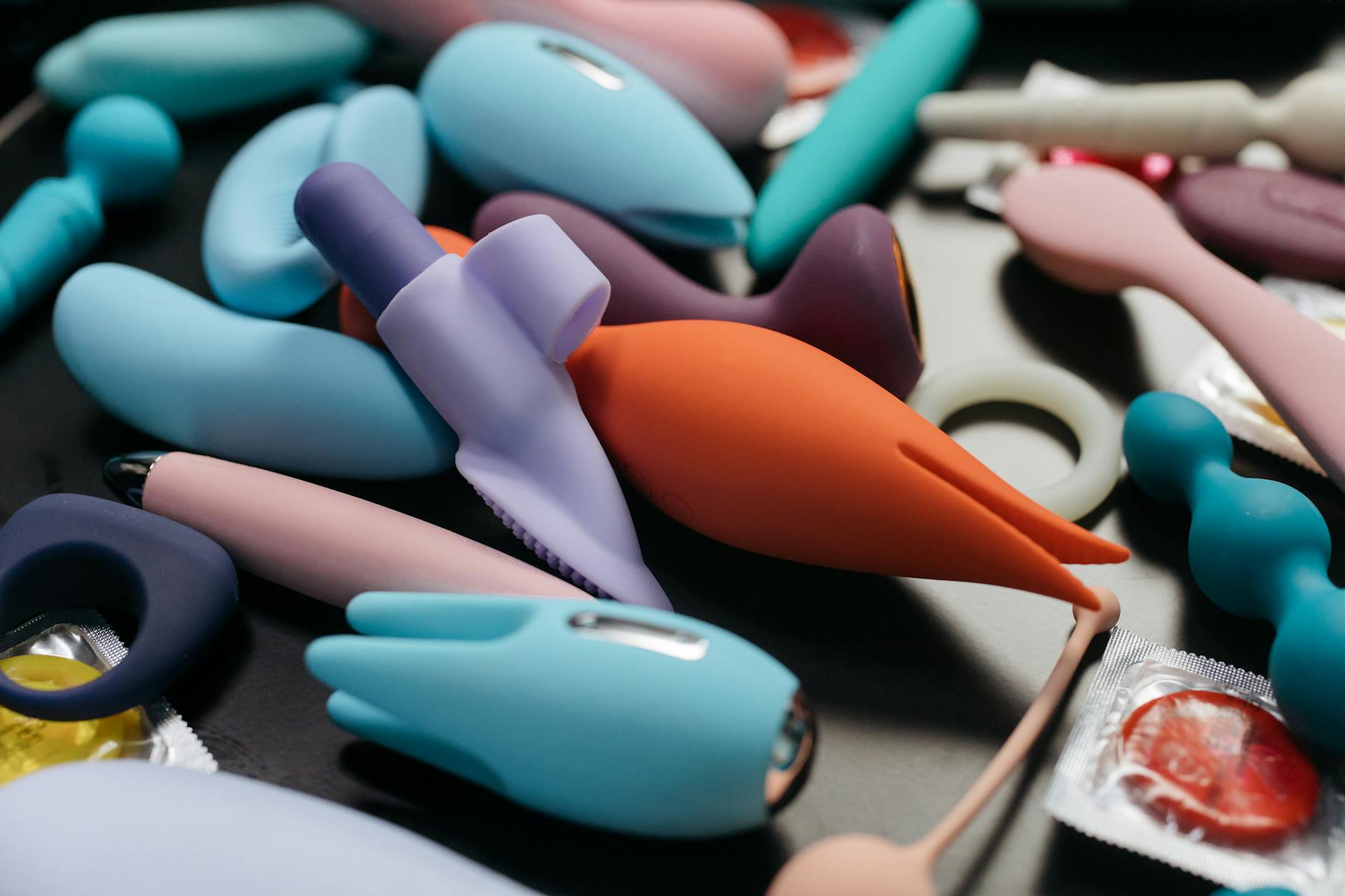
Here's what nobody tells you
Introducing a lemon clitoral vibrator to a reluctant partner isn't about the toy. It's about reframing what the toy means. Your partner is likely sitting in one of three stories: I'm not enough, she's unsatisfied with me, or this is weird and I don't understand it. None of those stories are true. But until you rewire the narrative, the vibrator stays in the drawer.
I've worked with hundreds of couples stuck in this exact place. The good news is that the resistance almost never comes from the toy itself. It comes from what they think the toy says about your relationship. Once you separate those two conversations, everything shifts.
Why he (or they) are actually nervous
When a partner resists the idea of toys, they're almost always protecting something. Not you. Themselves.
The fear usually follows one of three patterns. First: "If you need a toy, I'm not satisfying you." This is less about logic and more about identity. He's been taught that his penis (or his hands, his mouth, his body) should be enough. A vibrator reads as a report card. Second: "Bringing this up means you're unhappy in a way you haven't told me." This one's about trust and communication. If toys are on the table, what else have you been holding back? Third: "I don't know how I fit in." He imagines the toy replacing him, not joining him.
None of these are conscious thoughts. They live in the nervous system as vague discomfort. Your job is not to convince him the fears are irrational. Your job is to name them out loud and tell him a different story.
The conversation that actually works
Don't lead with the vibrator. Lead with the feeling.
Start somewhere like this: "I've been thinking about our sex life, and I want to talk about it because I care about us. I'm not unhappy. I want to be more honest about what feels good to me. I've noticed that it takes me longer to come than it used to, or I have a harder time finishing, and I think part of that is just how my body works, not anything you're doing wrong."
Then pause. Let that land. This is the setup. You're not complaining. You're being honest.
Next: "I read about something called a clitoral vibrator, and I think it might help me get there more reliably. I'm not bringing this up because you're not enough. I'm bringing it up because I want more of this, and I want to feel good, and I think this might be a way to make that happen for both of us."
Notice what you did not do. You didn't say "I want to try toys." You said "I want more of this with you." You didn't position the vibrator as a solo thing. You positioned it as a tool that makes the sex you already have better.
Wait for him to respond. Don't fill silence. Let him sit with it.
If he says something like "Am I not enough?" or "Do you want to use it alone?", answer directly. "I want to use it with you. It's not instead of you, it's in addition to what we're already doing. Think of it like a massage gun at the gym. It's not replacing a trainer. It's making the work more effective."
That language works. Repairing, enhancing, making better. Not replacing, not substituting, not without you.
The first time, make it about him too
If he's agreed in theory but still seems hesitant, the barrier is usually fear that he'll feel left out or that his role will shrink. So make sure he doesn't feel that.
Suggestion: Use the lemon vibrator while he's inside you, or touching you in other ways. Have him feel the vibration. Put his hand on the vibrator while you're using it together. Make it collaborative from the start. How to Use Lemon Vibrators With a Partner has deeper specifics, but the core principle is this: he needs to feel like he's part of the experience, not watching from the sidelines.
If penetrative sex isn't your thing, he can use the vibrator on you. He can control the intensity. He can be the one holding it. The specific mechanics matter less than the feeling that he's driving the experience, not the toy.
Address the real fear
Sometimes, underneath the resistance is something deeper. A partner might worry that introducing toys means you're sexually unsatisfied in a way that goes beyond mechanics. That you're unhappy with him as a person.
If that's the subtext, name it directly, but tenderly. "I know introducing this might feel like I'm saying something's wrong. I want to be clear: what's wrong is not you. What's true is that my body has changed, or I want to explore something new, and that's about me, not about how I feel about you."
Then, and this matters: show him. Not by words, but by continuing to initiate sex with him. By telling him what you love about sex with him. By treating the vibrator as a tool, not a replacement. The evidence that he's still wanted is much stronger than any reassurance.
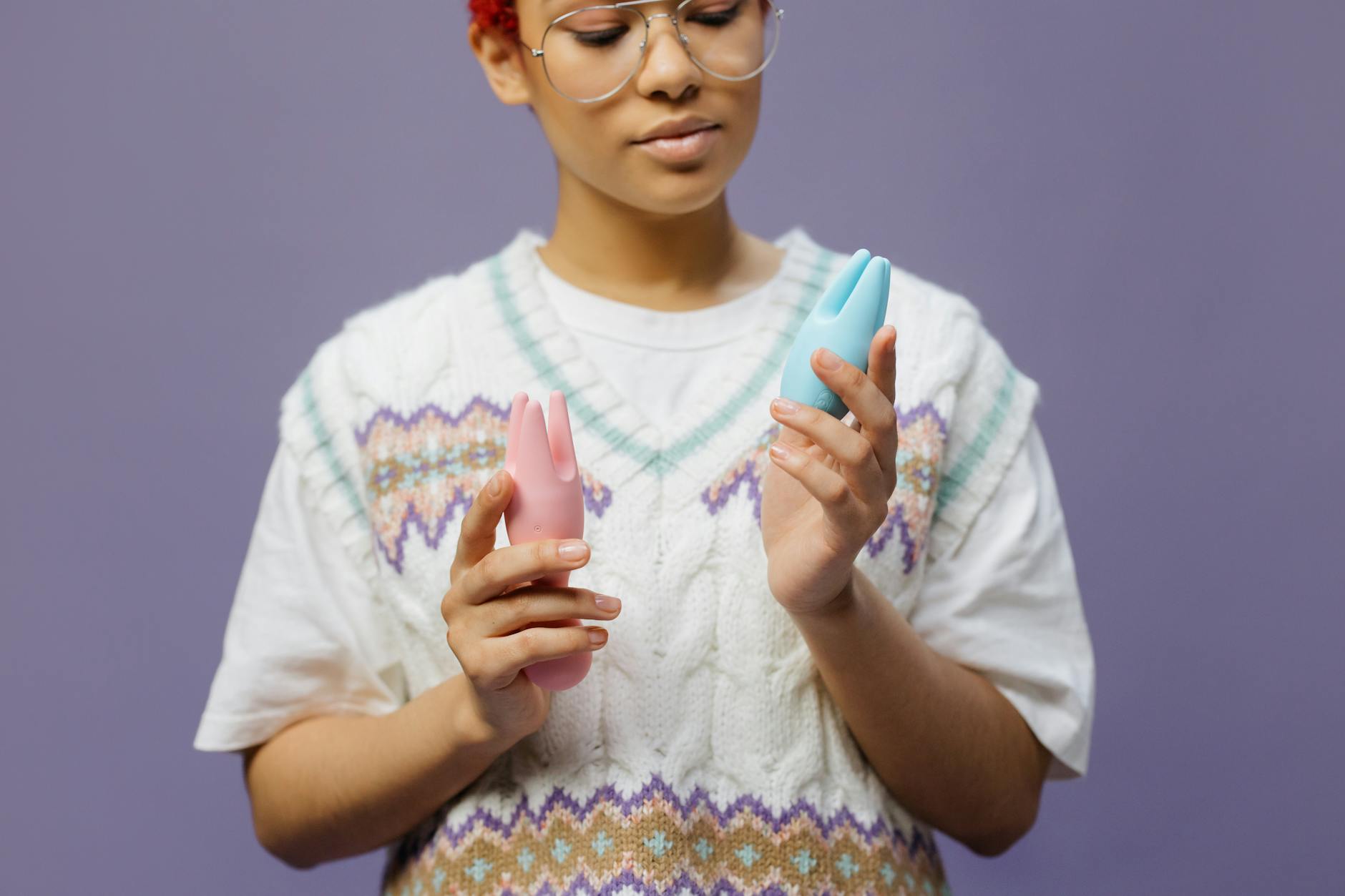
Photo by cottonbro studio on Pexels
The bridge: start with education
Some partners soften when the vibrator becomes something to learn about together, not something you're unilaterally bringing in.
Read about lemon clitoral vibrators together. Talk about how air-suction technology works differently than traditional vibration. Discuss why so many people prefer it. Make it intellectual and collaborative. Watch a review video together. Have a conversation about what he's curious about.
This sounds like it takes the edge off the sensual part, but it actually does the opposite. It gives him permission to be curious without feeling like he's capitulating. It makes the vibrator less of a threat and more of an option you're both exploring.
If he still says no
Honestly? That's a different conversation. A reluctant partner can become a curious one through communication and time. But a firm no, after multiple conversations, is information. It's not about the vibrator. It's about his boundaries, his comfort, or something deeper in how he processes intimacy.
At that point, you have options. You can decide that solo use is enough for now. You can take a break from the conversation and revisit it later. Or you can have a deeper conversation about what's really going on underneath the no. Sometimes the no is about the toy. Sometimes it's about trust, control, or something he experienced earlier that he hasn't processed.
This is where How to Use Lemon Vibrators for Solo Exploration Without Pressure becomes relevant. Your pleasure doesn't stop if he's not participating. But it also shouldn't feel like a secret or a rebellion. The goal is integration, not compromise.
The unexpected benefit
I'll tell you something I see in couples work constantly: once a reluctant partner actually tries the experience, his anxiety often flips. Not always, but enough that it's worth mentioning.
When he realizes the vibrator doesn't replace him, that you still want him, that the whole thing is faster and more pleasurable for both of you, the story rewrites itself. Instead of "she's unsatisfied," it becomes "we figured out something that works better." That's a win.
Some partners become the ones who want to use the vibrator more often than you do. They like the efficiency, the pleasure they see you experiencing, the control. The thing they were afraid of becomes something they actively enjoy.
But that happens after the conversation. Not before it.
FAQ
How do I know if my partner will actually be open to this, or if I'm wasting my time?
Listen for his language around pleasure, change, and novelty in other areas of life. If he's adventurous with food, travel, or hobbies, he's more likely to be curious about sex too. If he actively resists trying new things across the board, you might be facing a deeper pattern than just toys. Also notice whether he asks you questions about what feels good. Partners who are genuinely curious about your pleasure are much more likely to be open to tools that increase it.
What if he thinks I want to use it alone instead of with him?
That's a common fear, and it's worth addressing directly. Tell him: "I could use this alone, but I'm not interested in that. I want to use it with you because the whole point is feeling good together. I want to feel better and have better sex with you, not without you." Then back it up with action. When you use the vibrator, he's there. When you orgasm, you're focused on him too. The presence matters.
Should I buy the toy first or ask him first?
Ask first. Buying the toy without consent can feel like pressure, and it removes his agency in the decision. If he knows it's coming and has time to sit with the idea before it appears in your bedroom, he's more likely to be curious than defensive. Buying it unilaterally says you've already decided. Asking says you want to decide together.
What if he agrees but then seems uncomfortable during sex?
Pause. Check in. Ask him what he's feeling. It might be that watching you use it is overwhelming (in which case he could control it or touch you in other ways simultaneously). It might be that the intensity caught him off guard. It might be that he's still processing the shift. The fact that he agreed doesn't mean he has to be perfectly comfortable immediately. Give yourself both permission to find your footing.
How long does it usually take for a reluctant partner to come around?
That varies wildly. Some partners warm up after one conversation. Others need time. Multiple positive experiences help. Every time you have good sex involving the vibrator, it reinforces the story that this is a good thing. But if months pass and he's still tense or resentful, you might need deeper support. A couples therapist can help untangle what's really going on beneath the surface.
Can a lemon clitoral vibrator actually improve our intimate life, or is that marketing?
It can, but not because of the vibrator itself. It improves your intimate life because it opens a conversation about pleasure, it gives you a tool that makes orgasm more likely, and it forces you both to get curious about what actually feels good. The improvement is partly the vibrator, partly the communication. Neither works alone.
The real work happens between conversations
Introducing a lemon vibrator to a reluctant partner is not about the device. It's about rebuilding trust in the conversation itself. If you can talk about this without shame, without pressure, and with genuine curiosity about his experience, you've solved the actual problem. The vibrator is just the proof that the conversation worked.
Your pleasure matters. His comfort matters too. The goal isn't to override his hesitation. It's to invite him into a version of sex that feels better for both of you. That takes patience, honesty, and the willingness to hear what he's really afraid of beneath the surface. Once you do, the resistance usually softens. And sometimes, it disappears entirely.
If you're stuck in a dynamic where vulnerability feels risky, or if communication around sex keeps hitting the same wall, that's worth addressing with a professional. Contact us if you'd like resources for couples therapy or relationship coaching tailored to your situation.