Let's be real about what hormones actually do
Birth control, pregnancy, perimenopause, menopause, medication shifts. Your hormones change multiple times in your life, and each time, your clitoris doesn't operate quite the same way. That's not a flaw. That's biology.
What changes: tissue thickness, blood flow speed, how quickly arousal builds, and how stimulation registers across your nerve endings. What doesn't change: your capacity for pleasure, your right to it, or the fact that the clitoris has 8,000 nerve endings waiting to be engaged. The disconnect happens when people assume their old pleasure blueprint still fits. It doesn't. You need a new strategy.
Why lemon vibrators work better after hormonal shifts
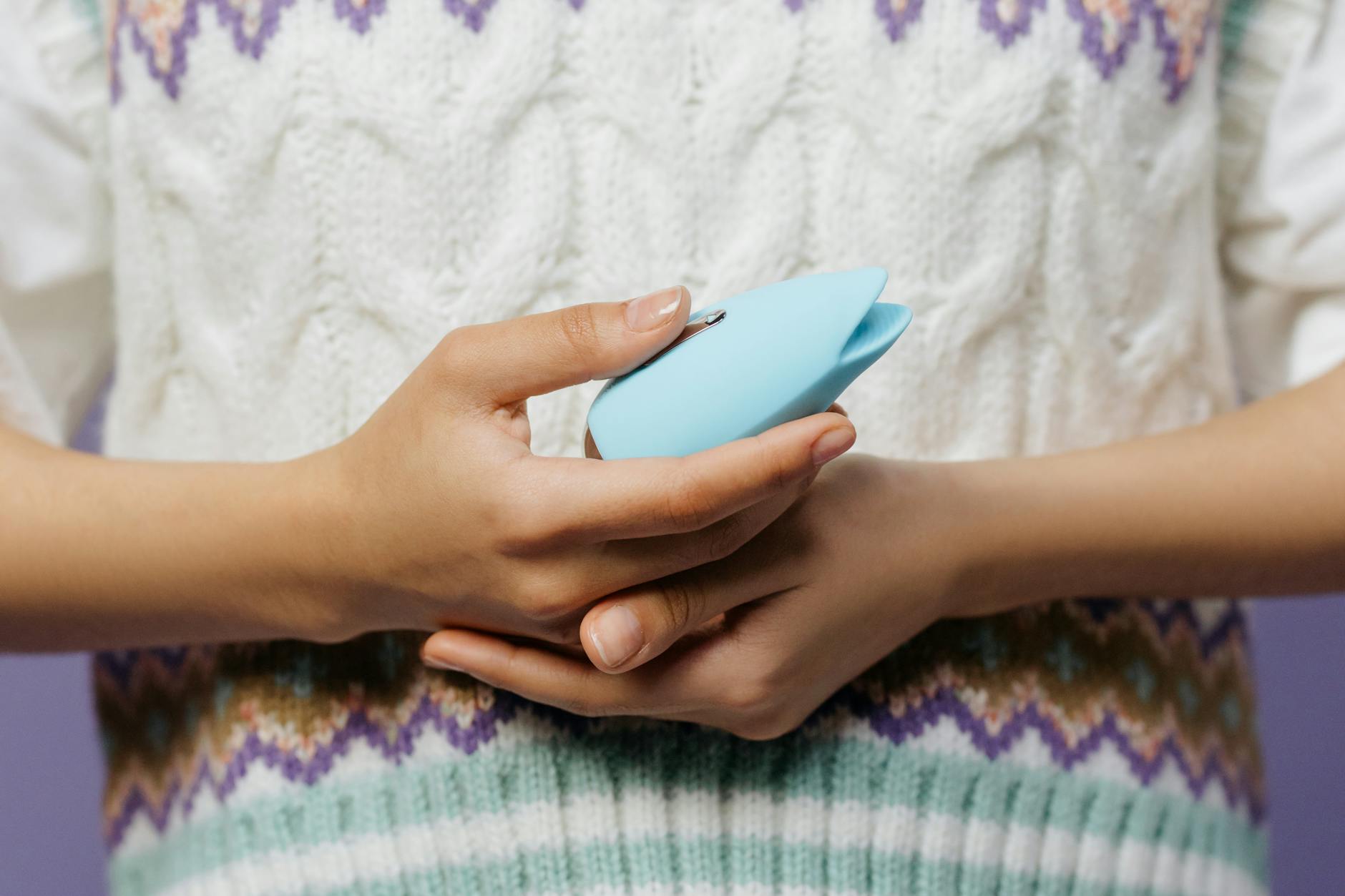
Most traditional vibrators rely on direct friction and high-frequency vibration. When your clitoral tissue is thinner or more sensitive due to hormonal changes, that approach can feel overwhelming or even painful. The suction-based design of a lemon vibrator works differently. Instead of hammering the surface, it creates a gentle pressure wave that stimulates the clitoral complex from multiple angles at once. This means you get intensity without requiring the tissue to tolerate aggressive friction.
The research backs this up. Air-pulse technology (the mechanism in devices like the Lemon Clitoral Vibrator) engages broader nerve pathways than traditional vibration alone. For someone whose hormonal status has shifted, this translates to pleasure that feels more accessible and often more full-bodied.
How your arousal timeline changes (and why it matters)
Before hormonal shifts, you might have been ready in five to ten minutes. Now it's taking twenty or thirty. That's not laziness. That's lower estrogen reducing blood flow to the clitoris and slower neurological signaling. Accepting this shift is step one. Working with it is step two.
Start a lemon vibrator session with longer foreplay. Spend ten to fifteen minutes on mental engagement, breathing, and full-body touch before introducing any vibration. When you do turn on the device, begin at a lower intensity setting. The Lemon Clitoral Vibrator has multiple patterns and speeds. Start at pattern one or two, not the highest intensity. Your clitoris will respond better, and you'll avoid the overstimulation that used to feel fine but now registers as numbness or discomfort.
This isn't a downgrade. It's a recalibration. Many people find that the longer build creates more sustained pleasure and stronger orgasms than the quick hit they're used to.
Lubrication is not optional
Hormonal changes often mean less natural lubrication. This doesn't mean your body is failing. It means the tissues around your clitoris have less estrogen supporting them. External lubrication bridges that gap. Always use a water-based lubricant when you're using a lemon clitoral vibrator after hormonal changes. This does three things: it reduces friction on the clitoral glans, it helps the suction mechanism work more effectively, and it signals to your brain that pleasure is incoming, which can actually speed arousal.
Apply the lubricant generously around the external area before starting the device. Reapply if you're planning a longer session. This is not a workaround for dysfunction. This is basic setup for your current body.
Sensation mapping after hormonal shifts
Your clitoris might feel different in different areas. The glans might be ultrasensitive while the shaft feels almost numb. Or vice versa. After hormonal changes, mapping where you actually feel pleasure right now is essential. Start with the Lemon vibrator on a low setting and move it slowly around the clitoral area. Notice where the sensation registers as 'yes' and where it registers as 'meh' or 'too much'. This isn't weird. This is information.
Many people discover that the sweet spot has shifted slightly up, down, or to one side. The suction-based design of a lemon vibrator is perfect for this kind of exploration because it's gentler and allows more nuanced positioning than traditional vibrators. Once you've found the area that feels best, you can spend more time there in future sessions.
Partnered use after hormonal changes
If you're using lemon sexual toys with a partner, hormonal shifts create an opportunity to reset how you both approach pleasure. Here's what I tell people: explain the change as a fact, not an apology. 'My body's responding differently to hormones right now. This means I need more time to warm up and I'm more sensitive to direct stimulation. Here's what's working.' That conversation prevents the common trap where your partner assumes they've somehow become less attractive or you've lost interest.
You might use the lemon vibrator solo first to figure out what feels good, then guide your partner to replicate that experience with touch or introduce the device together during partnered time. The suction mechanism is also quiet and compact compared to many vibrators, which can make partnered use feel less intrusive if privacy is an issue.
When to adjust your technique further
If you're following all this and still feeling numbness, pain, or no response at all, something else might be at play. How Lemon Vibrators Help When You Have Vaginal Dryness and Need Clitoral Stimulation addresses severe dryness specifically. But also consider whether stress, medication, or relationship dynamics are dampening your arousal. Hormones matter, but so does mental load.
If pain appears where there wasn't pain before, it's worth checking in with a doctor. Hormonal changes can sometimes create other tissue changes that benefit from treatment. That's not failure. That's gathering information.
Exploring new patterns with your body
One benefit of hormonal shifts is permission to get curious again. You don't have to use a lemon vibrator the same way every time. Experiment with different patterns, speeds, and angles. Try using it during partnered sex for a different sensation than solo sessions. Try combining it with other touch. The Lemon Clitoral Vibrator's multiple settings exist precisely so you can meet your body where it is right now, not where it was five years ago.
Many people report that post-hormonal-shift pleasure feels different but equally intense, sometimes more so. The intensity might be concentrated in a smaller area, or it might build more gradually and last longer. These aren't downgrades. They're variations.
The mental shift that actually helps
Here's what stops most people from adapting to hormonal changes: the assumption that the old way was the right way and anything different means something's wrong. Flip that. The new way is the right way for your current body. Pleasure is still there. The pathway just changed.
Using lemon vibrators after hormonal shifts is partly about the device and partly about permission. Permission to need more time. Permission to use tools that work with your body instead of demanding your body work the old way. Permission to explore and discover what feels good right now.
FAQ: Hormonal changes and lemon vibrators
What if lemon vibrators still feel too intense after hormonal changes?
Start at the absolute lowest setting and shortest duration. Many people need just thirty seconds to one minute at pattern one before they're ready to progress. If even that feels overwhelming, you might have vulvodynia or another tissue sensitivity issue worth discussing with a healthcare provider. But in most cases, patience and gradual adaptation work. Your nervous system will recalibrate.
Can hormonal birth control affect how lemon vibrators feel?
Absolutely. Birth control changes your hormone levels, and that affects clitoral blood flow and tissue thickness. The adjustment period is usually two to three weeks. Some people find they prefer pleasure during certain weeks of their cycle. That's normal. Track what works best during which part of your cycle and use that information to plan sessions intentionally.
Is it normal for orgasms to feel different after hormonal changes?
Completely normal. Orgasms might feel more concentrated, last longer, involve different muscle groups, or require different build-up. None of these mean anything's wrong. They're just different. Many people find they're actually better. The clitoris isn't smaller after hormonal shifts. The nerve endings are still there. The sensation is just distributed differently.
Should I use a lemon vibrator before or after hormonal changes?
Both. Before hormonal changes, lemon sexual toys can help you explore your baseline pleasure and figure out what works for your body now. After changes, they help you adapt to your body's new responses. The device isn't solving a problem. It's facilitating exploration and pleasure at whatever stage you're in.
How long does it take to adapt to pleasure after hormonal changes?
Typically four to eight weeks. During that time, your nervous system is recalibrating to new hormone levels. Be consistent with whatever approach you're taking, whether that's using lemon vibrators or other stimulation. Consistency helps your body settle into its new baseline faster.
Can I use a lemon clitoral vibrator if I'm on hormone replacement therapy?
Yes. In fact, many people on HRT find that lemon vibrators feel even better as their tissues rebuild. You might not need as much adjustment time if your hormone levels are being actively supported. But the principles still apply: start at a lower intensity, use lubrication, and map your sensation to find what works.
You're not broken. You're adapting.
Hormonal changes shift how your body experiences pleasure, but they don't end your capacity for it. Using lemon vibrators thoughtfully after these shifts is about working with your body's current configuration, not fighting it. Start slow, use lubrication, map your sensation, and give yourself grace during the adjustment period. The pleasure is still there. You're just finding a new path to it.