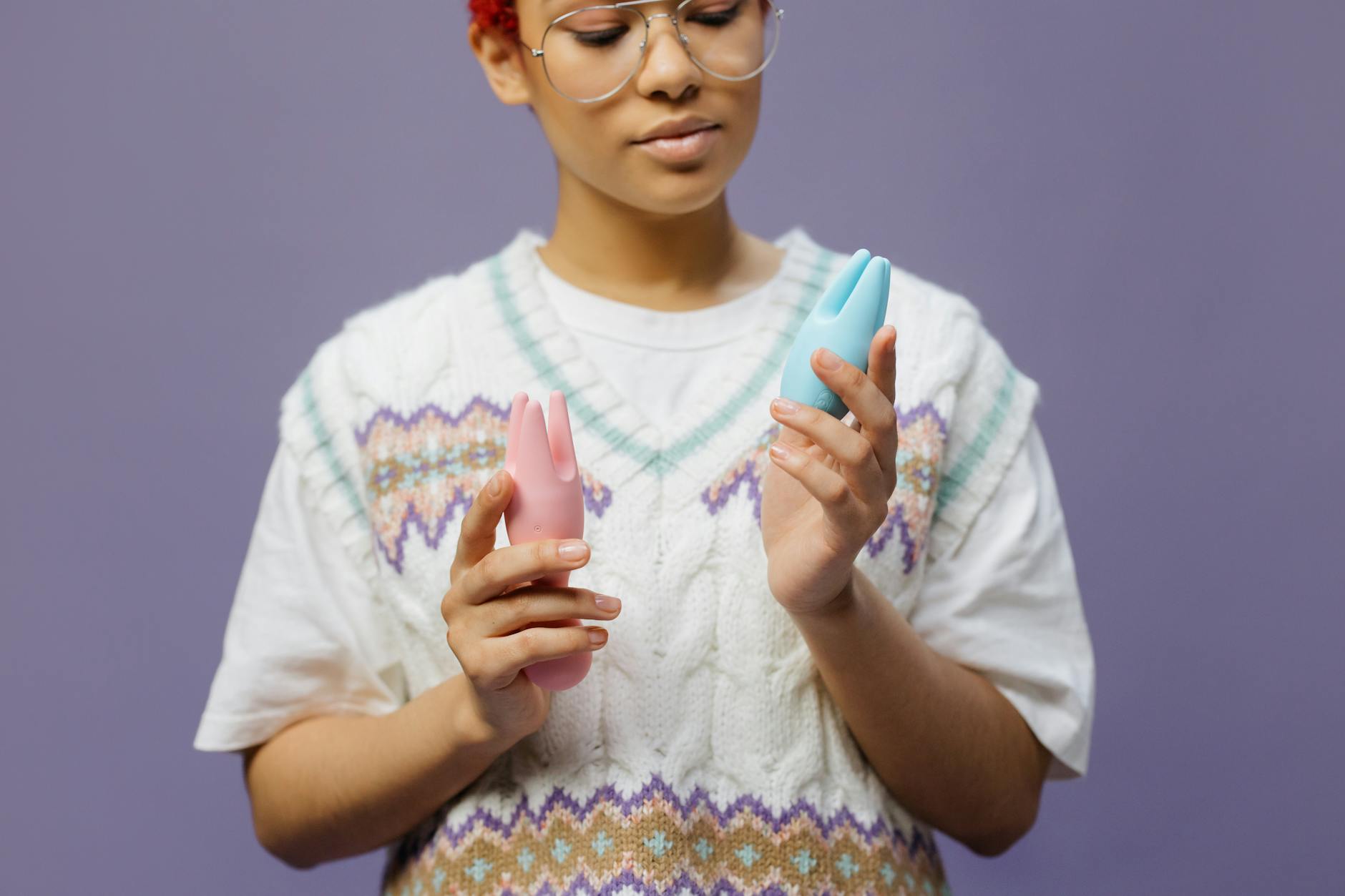
Let's talk about what nobody wants to admit: thin tissue changes everything
If you've noticed that direct stimulation feels sharper, rawer, or even painful lately, your tissue isn't broken. It's thinning. This happens after menopause, during perimenopause, with certain medications, after childbirth, or sometimes just because of how your body is built. The good news is that thin tissue responds beautifully to the right kind of stimulation, and lemon vibrators, especially air-suction designs, are genuinely your best bet for comfort without sacrifice.
Here's the part that matters: thin tissue still has all the nerve endings. You're not losing sensation. You're actually gaining sensitivity. The trick is learning to work with that heightened responsiveness instead of fighting it.
Why thin tissue needs a different approach
When tissue thins, several things happen at once. The outer layers lose moisture retention and collagen support, which means the tissue bruises more easily from direct pressure. At the same time, the nerve density is unchanged, so stimulation registers more intensely. This creates a paradox: you're more sensitive but more fragile.
Traditional vibrators, especially ones with high-frequency buzz or intense direct contact, can feel like someone's tapping on a raw nerve. They work beautifully for thicker, more resilient tissue, but on thin tissue they often trigger discomfort instead of pleasure. This is why so many people with thinning tissue think they've lost the ability to enjoy vibrators when really they just need a different technology.
Air-suction vibrators like the Lem work differently. Instead of the vibration itself creating stimulation, suction pulls the tissue gently into the device's chamber. The stimulation comes from the pulse and the suction, not from the vibrator pressing against sensitive tissue. This means you get intense, building sensation without the mechanical pressure that causes discomfort.
The science of suction versus vibration for thin tissue
When you use a lemon clitoral vibrator with air-suction technology, the mechanism is straightforward. The device creates a gentle seal and pulses rhythmically, drawing the clitoris and surrounding tissue upward. This creates a sensation similar to oral sex, which is why so many people find it intensely pleasurable.
For thin tissue specifically, suction is gentler because it doesn't rely on friction or direct mechanical vibration. Instead, it engages the tissue through negative pressure, which stimulates nerves without grinding or pressing. You get the same neural activation, the same pleasure, without the friction that can cause micro-tears in fragile tissue.
The Lem, a lemon sucker-style vibrator, delivers this through multiple suction intensities. You can start at the lowest setting and build up without ever feeling raw or irritated. This control is crucial for thin tissue. You need options to dial intensity up and down without jumping from "too soft" to "painful."
Setting yourself up for comfort: the warm-up and prep routine
Thin tissue needs more time to respond, and it responds better when you're fully aroused. Budget at least 15 to 20 minutes for warm-up before you even reach for your lemon vibrator. This isn't wasted time. This is when blood flow increases to the clitoris and surrounding tissue, making the tissue plumper, more resilient, and more responsive.
Start with touch that doesn't involve your device at all. Your hands, your partner's hands, or both. If you have a partner, this is also where the emotional work happens. Thin tissue often comes with anxiety about pain, so the warm-up period needs to feel safe and unhurried.
After 10 to 15 minutes of touch, apply a water-based lubricant generously. Even if your body is producing lubrication naturally, thin tissue benefits from the extra slip. Lubrication reduces friction and protects delicate tissue from micro-abrasions. Use enough that it feels luxurious, not meager.
How to use your lemon vibrator with thin tissue: technique matters
When you introduce your lemon clitoral vibrator, start on the lowest setting. Many people skip this step because they think "lowest" means "nothing," but on an air-suction device, even setting one creates noticeable stimulation. Let your body tell you if you want to increase intensity.
Position the device gently. You're not pressing it against your clitoris. You're creating a light seal, letting the suction do the work. The seal should feel snug but not tight. If there's any pinching or sharp sensation, reposition it slightly or break the seal and start again.
The suction pattern matters. Some lemon vibrators pulse in waves. Others shift intensity. Try different patterns at the same overall setting before you increase power. Many people find that a gentler, slower pulse feels more manageable and paradoxically more intense than a rapid pulse.
Keep your hand on the device. You're not setting it and walking away. You're controlling pressure, angle, and when it's time to break the seal and rest. Thin tissue can feel fatigue more quickly, and that fatigue can shift from pleasure to soreness fast.
Building stamina and sensation over time
If thin tissue is new for you, your first experience with a lemon sucker might be shorter than you expect. Twenty minutes of stimulation might feel like a lot. That's fine. You're building tolerance and teaching your nervous system that this feels good.
Over a few weeks of regular use, you'll notice that your tissue becomes more resilient. This isn't your tissue getting thicker. It's your body's inflammatory response settling, blood flow improving, and your nervous system learning what to expect. You'll also notice that you need less warm-up time and can handle slightly more intensity.
Don't rush this. The goal isn't to match the intensity you felt before your tissue thinned. The goal is to find what actually works for your body now. Some people find that thin tissue, combined with the right lemon vibrator, creates more intense orgasms than they've ever experienced. Your body isn't broken. It's different.
When to use lubricant every single time
I mention this again because it matters that much. Water-based lubricant is non-negotiable with thin tissue. It protects your tissue, it feels better, and it prevents the micro-abrasions that can lead to actual pain or irritation.
If you're using a silicone toy, you'll need water-based lube anyway because silicone-based lubricant can degrade silicone toys. If you're using any lemon vibrator, check the material. Most are silicone, so water-based is your only choice.
Apply it to both the device and your tissue before insertion or contact. Reapply if you notice it drying out during use. This isn't gross. This is maintenance. Your thin tissue is doing you a favor by being responsive. Treat it accordingly.
Communication if you have a partner
If you're using lemon vibrators with a partner, this is where the conversation gets specific. "I have thin tissue and I need more warm-up" is useful. "I have thin tissue and direct pressure is painful, but suction feels amazing" is even better.
Showing your partner what you're using and how you're using it removes the guesswork. If they're involved in stimulation, they need to understand that the intensity you want from their hands is gentler than what felt good five years ago. That's not loss. That's information.
Many couples find that introducing lemon clitoral vibrators actually improves intimacy because it removes the pressure for one person to single-handedly create all the sensation. You're sharing the work, and your partner gets to watch what actually makes you come. That's valuable for everyone.
Red flags: when to pause or seek help
If you experience sharp pain, stinging, or any sensation beyond mild discomfort, stop. Break the seal, remove the device, and take a break. Pain is information that something isn't working.
If you're experiencing bleeding, significant irritation, or pain that lasts hours after use, check in with a gynecologist or a menopause specialist. Thin tissue can sometimes need topical estrogen cream to function comfortably. There's no shame in that. It's a medical solution for a real condition.
If you're noticing that your tissue is consistently uncomfortable despite lube, warmup, and gentle technique, a healthcare provider trained in genitourinary syndrome of menopause can offer options you might not know about. Lemon vibrators are incredible, but they work best alongside any medical support your tissue actually needs.
The bigger picture: thin tissue doesn't mean the end of pleasure
I work with people all the time who assume that thin tissue is a life sentence of uncomfortable or absent pleasure. It's not. It's a recalibration. Your body deserves pleasure. Thin tissue deserves pleasure. And tools like lemon clitoral vibrators, specifically designed to stimulate without friction, can deliver that.
Your pleasure matters. Full stop. Building a routine that honors your thin tissue, gives you what you actually enjoy, and keeps you safe is worth the attention.
People Also Ask
Can thin tissue handle any vibrator, or do I need a specific type?
Thin tissue can handle vibrators, but not all of them equally well. Air-suction vibrators like lemon sexual toys are gentler because they don't rely on direct friction or mechanical pressure. If you're drawn to a different style, the key is testing at the lowest intensity and paying close attention to how your tissue responds. Friction-based vibrators can work if you use generous lubrication and avoid high intensities, but suction-based lemon vibrators require less adaptation.
How long does it take for thin tissue to feel "normal" again with regular lemon vibrator use?
Responsiveness improves noticeably within two to four weeks of regular stimulation, assuming you're using comfortable technique and adequate lubrication. You'll likely feel less discomfort and more pleasure relatively quickly. Whether thin tissue actually thickens depends on the cause. If it's hormone-related, topical or systemic estrogen may help tissue regain thickness over months. If it's medication-related, addressing the medication might help. If it's just how your anatomy is, you're learning a new normal, not waiting for old normal to return.
Is it normal for thin tissue to feel more intense sensation even though it's more fragile?
Completely normal. Thin tissue has the same nerve density as thicker tissue, sometimes concentrated in a smaller surface area, which makes stimulation register as more intense. You're not imagining it. This is why lemon vibrators can feel almost overwhelming at first. Your sensitivity is real. The fragility is also real. Both can be true at the same time.
What if I'm using a lemon sucker but the suction feels painful instead of pleasurable?
Check three things first: Is the seal too tight? Loosen it slightly. Is your tissue dry? Add more water-based lubricant. Are you trying too high an intensity too fast? Drop back to setting one and spend time there. If you've adjusted all three and suction still feels sharp or pinching, thin tissue sometimes needs medical support before vibrator use feels comfortable. Talk to a gynecologist about topical estrogen or other treatments.
Should I use lemon vibrators with or without a partner when I have thin tissue?
That's entirely your call. Solo use gives you complete control and privacy to learn what feels good without any pressure. With a partner, you get the option of combined stimulation and shared experience. Thin tissue doesn't require you to choose one. Many people use a lemon clitoral vibrator solo to understand their comfort zones, then bring it into partnered sex with clear communication about what's working.
How do I know if my thin tissue needs medical treatment versus just the right vibrator?
If gentle warm-up, adequate lubrication, and lemon air-suction vibrators still result in significant discomfort or pain, you likely need to talk to a healthcare provider. Thin tissue from hormone loss sometimes benefits from topical estrogen creams or other treatments. Thin tissue from medication might improve if you address the medication with your prescriber. Thin tissue that's just your anatomy can be managed indefinitely with the right technique and tools. A provider trained in sexual health can help you figure out which situation you're in.
If you're navigating thin tissue and want to explore what actually works for your body, start with a low-intensity lemon vibrator, give yourself patience, and remember that pleasure is still completely available to you. It just looks different now. And that's okay. For more insights on finding the right approach for your unique anatomy, check out our guide on how to use lemon vibrators with different body types and anatomy. If you're rebuilding confidence after a specific health event, lemon vibrators for postpartum recovery covers that angle too. And if you're managing hormonal changes, our deep dive on how lemon vibrators help after vaginal atrophy and genitourinary syndrome walks through medical context and practical strategies. Questions about your specific situation? Reach out — we're here to help.