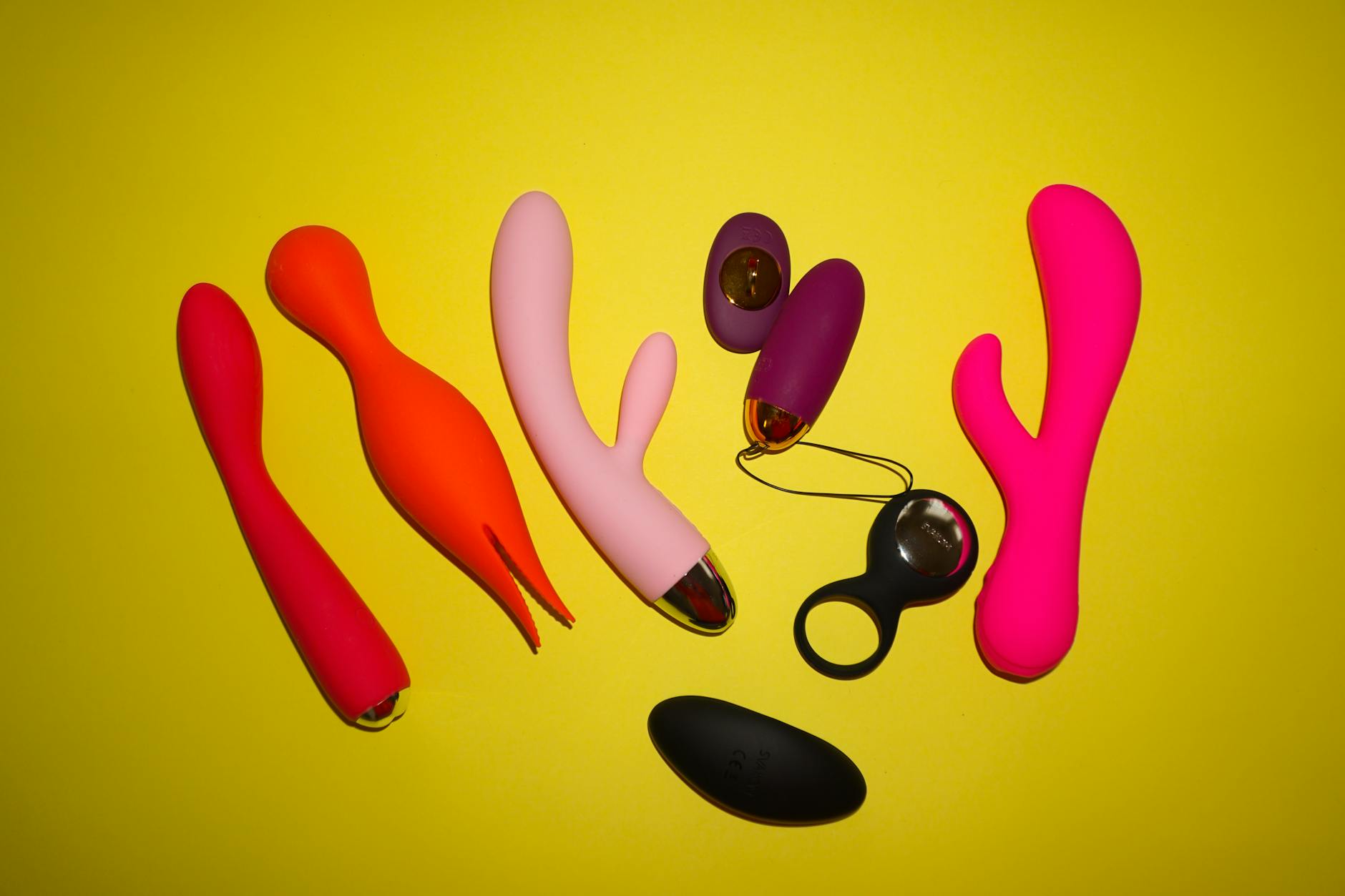
The early-relationship toy question nobody asks out loud
Here's what I hear from clients in new relationships: "I love where this is going, but I'm worried mentioning a vibrator will make it weird." Or the flip side: "I want to suggest one, but what if they think I'm not satisfied?" Both worries are legitimate. Neither one should stop you from having this conversation.
The truth is that introducing a lemon clitoral vibrator early in a relationship, done right, deepens intimacy instead of complicating it. It signals honesty about what your body needs. It invites collaboration. It makes it clear that good sex matters to both of you.
The catch: timing, framing, and tool selection matter wildly. This is how to get it right.
Why new relationships are actually the best time to introduce toys
You might think "shouldn't we establish ourselves first?" Actually, no. Early-stage relationships have one massive advantage: you haven't yet built habits. You don't have years of "this is how we do it" baked into the dynamic.
When a vibrator shows up in month two instead of year five, it feels like part of the original blueprint. When it shows up after years of routine, it reads as "something's missing," even when that's not what's being said.
Second, and honestly more important: you get to know your partner's openness to pleasure while you're still learning other things about them. If someone responds to "I've been thinking about trying a vibrator together" with defensiveness or shame, that tells you something real about their relationship to sex and your body's needs. Better to know that now.
The conversation framework that works
Forget the sexy-text approach. Don't send a link at 11 p.m. hoping they'll get the vibe. The conversation needs to happen when you're both alert, clothed, and not mid-intimacy.
Start with curiosity about them, not the toy.
"Hey, I've been thinking about sex stuff. I want to know what kind of touch actually feels best for me, and I'm wondering if you'd be open to exploring that together. Would you be?" This invites a yes or no before anything specific lands.
If they say yes: "I've read that a lot of people with clits find it hard to come from penetration alone, and I think I'm one of them. I was looking into getting something that might help. I'm thinking of a lemon vibrator, which is basically a clitoral vibrator shaped like a lemon. Would you be interested in trying it together?"
Notice what's happening here: you're naming the challenge (not naming shame), explaining the tool in plain language, and asking directly. No mystery. No pressure.
If they hesitate or say "I don't know": "I'm not asking you to use it on me or do anything you're not comfortable with. I'm just wanting to explore what my body responds to. Does that land differently?"
This pivot removes the performance demand. You're not asking them to do something. You're asking for permission to do something.
What to say if they think it means you're not satisfied
This comes up. Someone hears "vibrator" and translates it to "you're not enough." It's wrong, but it's common enough that you should prepare for it.
Don't argue. Don't defend the vibrator's existence. Instead: "I love what we're building. This isn't about you. Most people with clits need more sustained or intense stimulation than what fingers or penis alone can provide. It's just biology, not a reflection on you or us."
If they're still stuck, add: "Think of it like this: I wouldn't expect you to come from hand stimulation alone every time. You'd probably want to add something sometimes. Same principle."
Let that land. If they come around, great. If they don't, you've got bigger conversations to have about whether their ego or your pleasure gets priority in this relationship. (Spoiler: yours should.)
Choosing the right lemon vibrator for a new partner scenario
Tool selection matters more than people think. A lemon clitoral vibrator like the Lem is ideal here for three reasons.
First, the shape is intuitive. There's no learning curve about how to hold it or where to position it. Second, it's discreet enough that it doesn't dominate the visual landscape. Some vibrators are so visible that they become the focal point. The Lem feels like part of you, not a third presence. Third, suction-based stimulation (which lemon suckers use) feels fundamentally different from vibration alone. It's gentler but often more effective at building and sustaining arousal.
When you introduce it physically, have it already somewhere accessible but not center-stage. Nightstand, not the bed. You're not making a production.
The first time you use it together
Expect it to feel slightly awkward. That's normal. You're adding a new variable to an intimate moment. Here's how to minimize weird and maximize connection.
Start with the toy present but not yet active. Let your partner touch you, get aroused, build some momentum. When you're already engaged and comfortable, introduce the vibrator. "I want to try this now. Can you watch me?"
That sentence is key. You're making it clear you're not hiding. You're not ashamed. You're inviting them to observe and participate in your pleasure.
Start on a low setting. You know your body. Adjust from there. If your partner wants to hold it or apply it, that's beautiful. If they just want to be present while you do, that's equally valid. Don't make them perform anything they haven't explicitly signed up for.
During, narrate slightly: "This feels good," or "I like this pattern," or "Do you want to try". Narration keeps them in the moment with you instead of feeling like spectators.
Managing the emotional territory
Some partners will feel insecure no matter what you do. That's their work to do, not yours. But most will feel curious, present, and maybe even turned on. The fact that you're being honest about your body and asking them to be part of that? That's intimate.
If they seem distant or withdrawn, check in after. "How was that for you?" might feel vulnerable, but it opens the door to their actual feelings instead of you guessing. Maybe they felt left out. Maybe they were just in their own head. Maybe they loved it and didn't know how to say so.
Listen. Don't defend. Let them have their response. Then you get to decide if their response works for you going forward.
The aftermath: integration, not replacement
After you've used a lemon vibrator together a few times, the newness fades. It becomes one tool among many, not a special event. That's the goal. You're trying to make pleasure normal, not turn it into theater.
Your partner might want to focus on other kinds of touch sometimes. They might suggest using it more often. They might want to explore with one themselves. Let it unfold. The conversation you started wasn't "we must use this forever." It was "I want to know what my body needs and I want you to be part of finding out."
When a partner says no and you need to respect that
If after the full conversation, your partner has said they're genuinely not comfortable with toys, you have a real decision to make. Not immediately, not in the heat of the moment, but soon.
Can you live with their boundary? Can they live with you potentially using a vibrator solo? Is there a compromise that works? These are relationship questions, not pleasure questions. And they matter.
I see couples where one partner agrees to toys "for them" while secretly resenting it. That resentment poisons the experience. Better to respect a genuine no and either live with it or recognize that you might not be compatible around this.
The long game: pleasure as partnership
Here's what happens when this conversation goes well early on. You build a template for talking about sex that carries through the whole relationship. You learn that your partner can handle honesty. You learn your own body better. And crucially, you learn whether your partner sees your pleasure as worth making room for.
That last part is the real test. Not the vibrator. The willingness.
If someone can sit with a conversation about your orgasm, research tools that might help, and show up with curiosity instead of defensiveness, that's someone worth staying with. That's someone whose capacity for generosity extends to your body and your needs.
Take that seriously. Build on that. That foundation will matter in year two and year ten a lot more than any particular toy.
People also ask
Will using a vibrator with my new partner make me depend on it for orgasms?
No. Vibrators aren't addictive, but habits are. If you only ever orgasm with a toy and nothing else, you'll get used to that specific sensation. The fix is simple: vary your stimulation. Sometimes toy, sometimes fingers, sometimes partner stimulation alone. This prevents what people call "vibrator dependency" and keeps your body responsive to multiple kinds of touch. That's actually a feature, not a bug.
What if my partner wants to use the vibrator on me but I want to control it myself?
Tell them. "I think I'd get more out of this if I'm the one directing it. Can I do that?" Most partners will understand immediately. You know your body's sensitivity and rhythm better than they do. That's not rejection of them, it's you being specific about what works. If they want to participate, they can touch you elsewhere, kiss you, talk to you, watch. There are infinite ways to be present without holding the toy.
How soon into dating should I mention wanting to use a lemon vibrator together?
Anytime after you've established that you're both interested in exploring this relationship further. That could be week three or month two. Don't force it into the first sexual encounter. But also don't wait until you've built a whole routine and intimacy pattern. The sweet spot is usually once you're sleeping together regularly and it feels natural to talk about sex without it being mid-act. One of my clients brought it up over coffee on a Wednesday. Another waited until pillow talk. Both worked because the framing was honest and the timing felt right to them.
What if I'm worried they'll tell other people?
This is a reasonable privacy concern. You can name it directly: "I'm excited about exploring this with you, and I'm also keeping it between us. Is that okay?" Most people will agree without hesitation. If someone seems like they might gossip or shame you for your sexuality, that's a red flag about their character, not about your desire for a vibrator. Pay attention to that.
Can lemon vibrators actually help with orgasms if I've never come with a partner?
Possibly. A quality lemon clitoral vibrator provides consistent, focused stimulation that can help you learn your own arousal patterns. But the vibrator is a tool, not a magic fix. If you've never orgasmed with a partner, that's often about comfort, trust, communication, or sometimes pelvic floor tension, not about vibration. Using a vibrator together can help if it happens alongside genuine emotional safety and openness. If you're tense or uncomfortable, the vibrator won't fix that.
What if they're enthusiastic but clumsy with it?
Gently take over. "Let me show you what feels best." Then demonstrate the pressure, pattern, and speed you like. Ask them to try again. Most partners genuinely want to please and just need the information. If they keep missing the mark after you've shown them multiple times, that's less about the vibrator and more about whether they're willing to listen to your body. That's a broader relationship signal worth paying attention to.
The truth underneath
Introducing a lemon vibrator early in a relationship isn't about the toy. It's about claiming your pleasure as non-negotiable and inviting your partner to respect that claim. Some partners will rise to it. Some won't. Either way, you'll know something crucial about who you're with.
Start the conversation. Name what you need. Listen to their response. Move forward from there. That framework will serve you in pleasure and in everything else.
Ready to have the talk? Start here. And if you're looking for more on how to navigate communication with partners around intimacy, how to use lemon vibrators with a partner goes deeper into real-time conversations that happen during sex.
Your pleasure matters. Your honesty matters. A partner who gets that is worth keeping around.