Let's talk about what vaginismus actually is
Vaginismus is an involuntary contraction of the pelvic floor muscles when penetration is anticipated or attempted. Your body isn't being difficult. Your nervous system is trying to protect you, and it's locked down hard. Pain, impossibility, shame, and relationship strain follow. If you've been diagnosed with vaginismus or suspect you have it, you're not alone. It affects roughly 5-17% of people with vulvas, depending on the study.
Here's what matters: vaginismus is treatable. And pleasure doesn't have to wait for penetration to come back online.
Why penetration isn't the only path to pleasure
When vaginismus takes penetration off the table, most people assume sex is off the table too. That's the trap. Clitoral stimulation and full-body pleasure exist completely independently of vaginal penetration. Your clitoris has 8,000 nerve endings. Your ability to orgasm doesn't require anything inside you.
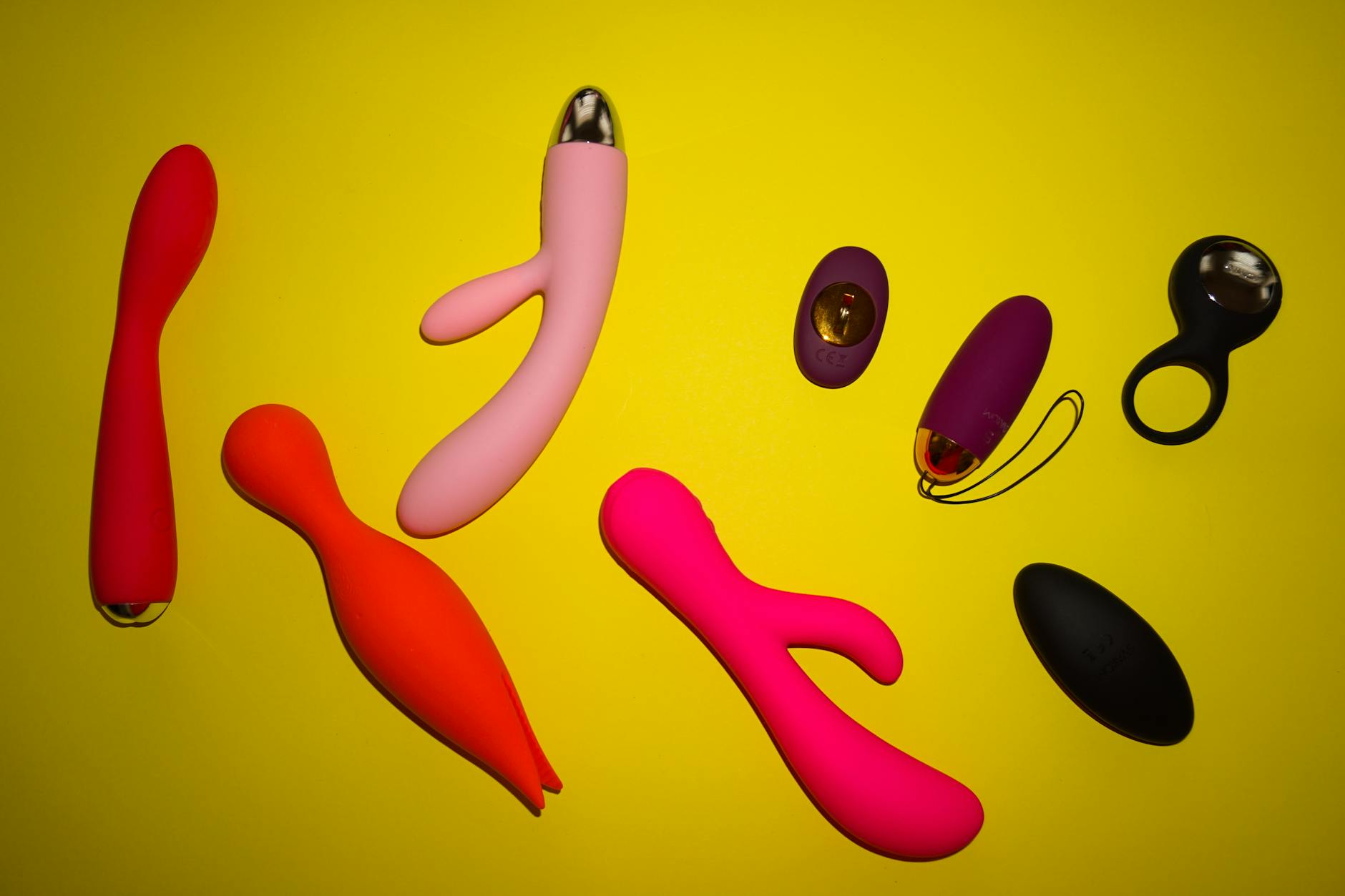
Lemon vibrators and other clitoral suction toys sidestep the vaginismus reflex entirely. They work on the external clitoris, which has no connection to the involuntary pelvic floor tightening. You get genuine pleasure and genuine orgasms without triggering the very reflex that's been causing pain. That's not a workaround. That's the main event.
Many people find that when they experience reliable pleasure without pain, the anxiety that feeds vaginismus starts to loosen. The nervous system gets a different message. You're not fixing vaginismus through penetration. You're reclaiming pleasure while you work on the underlying muscle tension separately.
The neurology of safety and arousal
Vaginismus isn't a psychological disorder, but it has a psychological component. Your nervous system is stuck in a protection pattern. Threat signals get sent, muscles clench, pain happens. That pain creates more threat signals, and the cycle tightens.
What breaks the cycle is consistent experiences of pleasure without pain. When you use a lemon vibrator and experience deep relaxation and orgasm without discomfort, your nervous system logs that as "this is safe." It doesn't happen overnight. But it happens.
This is why using toys solo first is often more effective than jumping straight to partnered sex. Alone, you can move at your own pace, pause whenever you want, and zero pressure exists about performance or timing. That safety is neurologically relevant. Your body relaxes more deeply.
How to start with a lemon clitoral vibrator if you have vaginismus
Three foundational shifts:
Start with external stimulation only. Your clitoris is the entry point, not a stepping stone to penetration. Spend weeks or months here if you need to. Pleasure is the goal, not preparation for something else.
Use the lowest settings first. Vaginismus often comes with heightened sensitivity. Start on pattern 1 or 2 of a lemon vibrator. Many people find the suction sensation of lemon toys gentler than traditional vibration because it doesn't create sharp micro-movements. The stimulation feels more diffuse and sustained.
Combine it with relaxation work. A toy alone won't release pelvic floor tension. Pair your lemon vibrator sessions with pelvic floor physical therapy (PT), breathing exercises, or relaxation practice. When you're stimulating your clitoris with a vibrator, your pelvic floor should feel loose and open, not braced. If it's tight, pause and breathe. Intentionally relax the pelvic floor before continuing.
The role of pelvic floor physical therapy alongside pleasure
Let me be direct: lemon vibrators are not a treatment for vaginismus. Pelvic floor PT is. A good pelvic floor PT can teach you to recognize tension in real time, downregulate the protective response, and gradually desensitize the muscles.
What vibrators do is reclaim pleasure while you're doing that work. They let you experience orgasm and arousal without re-triggering the pain cycle. That matters because it separates pleasure from pain. You're building new associations in your nervous system.
If you haven't already seen a pelvic floor PT, prioritize that. If you have, talk to your therapist about incorporating toy use into your home practice. A good therapist will support it.
Using a lemon vibrator with a partner when you have vaginismus
Partner involvement requires honesty and patience. Here's what I recommend:
Start solo first. Get comfortable with your own pleasure and your own nervous system. Then involve your partner gradually. They can be in the room. They can hold the toy if you want. They can be present without doing anything, just witnessing that you can feel good and orgasm.
The shift in dynamic is enormous. Instead of "Will penetration work?" the conversation becomes "How do you like to be touched?" That reframe is healing for both of you.
Set a clear boundary: this is not foreplay leading to penetration. This is sex. Full stop. Your partner needs to understand that clitoral orgasm is the goal, not a warm-up to something else. If they can't hold that boundary, the old anxiety will creep back in.
Managing the mental side while you rebuild pleasure
Vaginismus often comes packaged with guilt, shame, or feeling broken. You're not. Your body is responding to perceived threat, and that's a normal nervous system response to the wrong stimulus.
But the mental load is real. You might feel like you're letting your partner down. You might feel like your body is defective. You might avoid sex altogether because the pattern of pain-anticipation-failure is exhausting.
Using a lemon vibrator with intention is an act of reclamation. You're saying: my pleasure matters. My orgasm matters. My body's capacity for sensation matters, even if penetration isn't available right now. That's not settling. That's honoring what you actually have.
When to seek additional support
If you've been working with a pelvic floor PT for 3-6 months and seeing no progress, ask your provider about additional tools. Vaginal dilators, botox, or other interventions exist. If you're experiencing significant anxiety or shame around sex, talk to a sex therapist or trauma-informed counselor. Vaginismus sometimes correlates with past trauma or anxiety disorders. Addressing those is separate from addressing the muscles, but both matter.
If your partner is frustrated, uncooperative, or dismissive about the vaginismus, that's a relationship issue that needs attention too. A couples therapist can help you both understand the condition and navigate the changes together.
Pleasure with vaginismus is possible right now. Not eventually. Not after you fix the muscles. Now.
Frequently asked questions
Can a lemon vibrator cause vaginismus to get worse?
No, not if you're using it on the clitoris and keeping penetration completely off the table. The reflex only triggers when penetration is anticipated or attempted. External clitoral stimulation doesn't activate it. That said, if using the toy creates anxiety or reminds you of the pain cycle, pause and talk to your pelvic floor PT about the association.
How long does it take to relax the pelvic floor enough to notice a difference with a lemon vibrator?
Most people notice a shift in sensation within 2-4 weeks of consistent use plus pelvic floor work. Full resolution of vaginismus can take months or longer. But pleasure-wise, many people report feeling orgasm differently (easier, deeper, more reliable) within a few weeks of starting clitoral-focused toy use without penetration pressure.
Should I tell my partner about using a lemon vibrator if I have vaginismus?
Eventually, yes. If the vaginismus is affecting your sex life together, honesty is essential. You don't need to disclose everything immediately, but your partner will benefit from understanding what you're doing and why. Frame it as healing work, not avoidance. Many partners actually feel relief knowing there's a path forward to pleasure, even if penetration isn't currently possible.
Can I use a lemon clitoral vibrator if penetration causes pain but I don't have a formal diagnosis of vaginismus?
Absolutely. You don't need a diagnosis to experience pain-free pleasure. If penetration hurts, clitoral vibrators are a direct line to sensation that bypasses that pain. Use them, enjoy them, and if the pain persists, get evaluated by a pelvic floor PT or gynecologist to understand what's happening.
Is it normal to feel numb or disconnected during toy use if you have vaginismus?
Yes, sometimes. Vaginismus and pain often create a dissociative response. Your nervous system zones out as a protection mechanism. If that's happening, slow down. Try using the toy while doing grounding exercises (feeling your feet on the floor, naming five things you can see). Work with a therapist if dissociation is strong. Pleasure should eventually feel present, not distant.
Do I need to use lube with a lemon vibrator if I have vaginismus?
Maybe. Vaginismus doesn't always mean dryness, but anxiety can reduce lubrication. If you feel any friction or irritation, use a water-based lube. It won't interfere with the toy and makes everything feel smoother. Comfort is the only rule that matters.
Your pleasure matters right now
Vaginismus is real and painful and frustrating. It's also treatable. Getting help from a pelvic floor PT matters. But so does reclaiming pleasure today, right now, without waiting for penetration to come back online. A lemon vibrator or another clitoral toy can be part of your path back to yourself. Use it. Enjoy it. Your body deserves to feel good.