The honest shift: what actually changes
Let's be real. Menopause changes how your body responds to pleasure. It does not end it. That distinction is everything because most conversations about menopause and sex collapse into one of two lies: "everything stops working" or "nothing really changes." Both leave you confused and undersupported.
Here's what happens physiologically. Estrogen drops. That changes tissue thickness, lubrication capacity, and how quickly your nervous system lights up during arousal. Testosterone also drops, and yes, people with ovaries produce testosterone.it's a major driver of desire. Your pelvic floor loses some of its structural support too. But here's the part no one emphasizes: your clitoral nerve endings don't change. Your brain's capacity for pleasure doesn't change. And orgasms? Often they become more intense after menopause, not less.
Why lemon vibrators work differently now
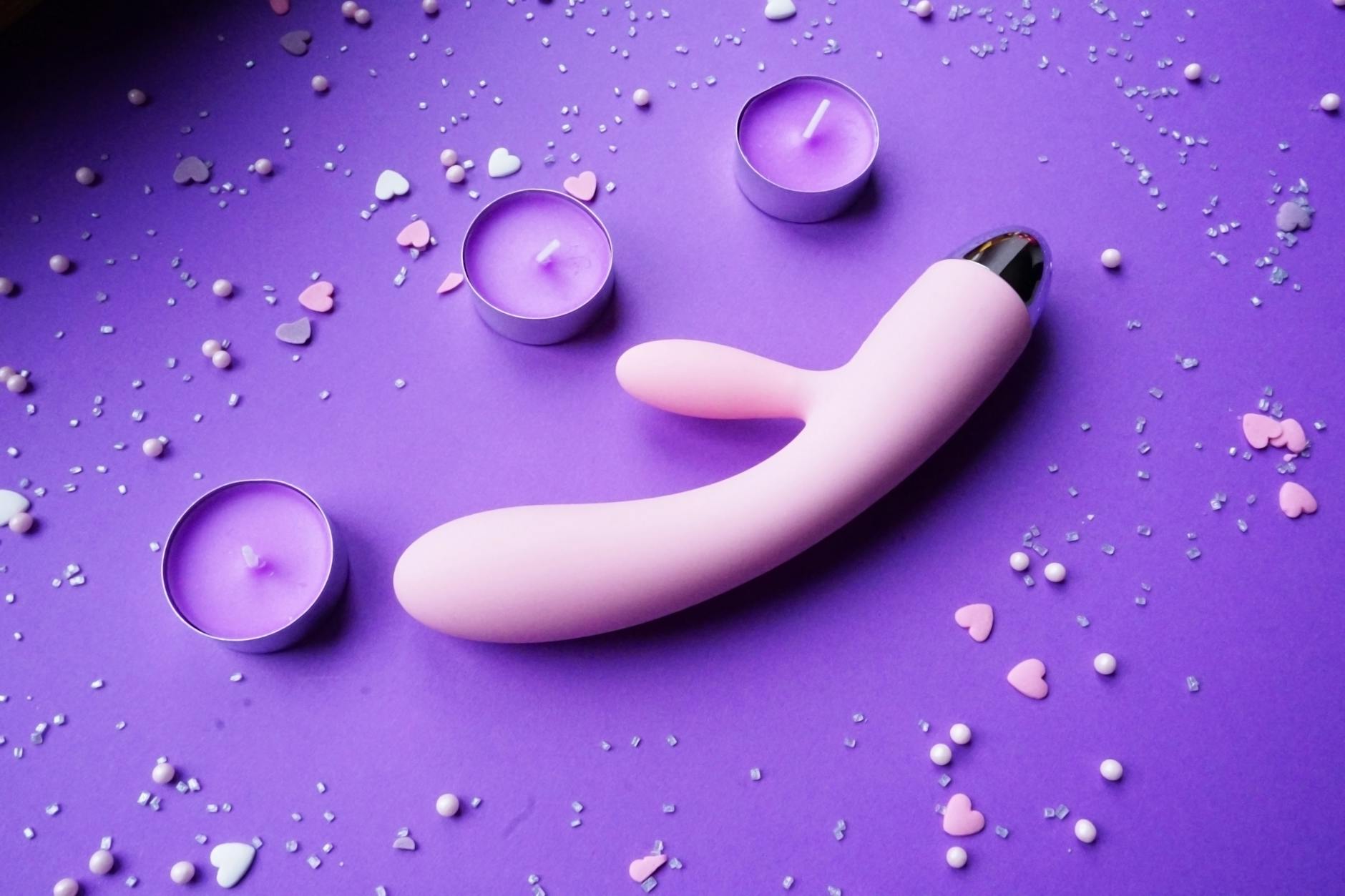
The air-suction technology in lemon clitoral vibrators like the Lem actually becomes more useful during menopause, not less. Here's why. Traditional vibrators rely on direct friction. When vaginal and vulval tissue thins and becomes more sensitive, that friction can feel sharp or even painful. Air-suction devices create gentle stimulation through suction and release patterns instead. That means you get powerful sensations without the abrasiveness.
Lemon vibrators also give you more control over intensity without a steep climb between levels. You can hover at patterns 1 and 2 comfortably in a way that older vibration technology makes harder. That control matters enormously when your tissue sensitivity has shifted.
Many of my clients tell me that menopause actually improved their experience with their lemon vibrator because they finally had permission to slow down and pay attention to what felt good instead of what they thought should feel good.
Lubrication: the non-negotiable ingredient
This is where the biggest adjustment happens. Water-based lubricant stops being optional during menopause. It becomes your foundation. Not because your body is broken, but because thinner tissue benefits from the glide.
I recommend keeping a good water-based lube nearby every time you use your lemon vibrator. Reapply it if it dries out. Silicone-based lubes feel richer and last longer, but they degrade silicone toys over time, so stick with water-based formulas. You might also explore hyaluronic acid lubricants, which mimic your body's natural moisture more closely and tend to feel less sticky.
One small thing that changes the entire experience: warm the lube slightly before application. Room-temperature lube on sensitive tissue can feel jarring. A few seconds in your hands makes a real difference.
Timing and warm-up: the new architecture of arousal
Before menopause, arousal might have been fast. A thought. A touch. Five minutes and you're ready. Menopause slows that timeline, and fighting it is exhausting. Instead, I recommend building arousal time into your routine the way you'd budget time for anything else that matters.
Aim for 15 to 25 minutes of foreplay or solo warm-up before you use your lemon vibrator. That's not a punishment. That's actually space to enjoy anticipation, which many people find more pleasurable than the rush. Start with touch that has nothing to do with your clitoris. Your inner thighs, your breasts, your neck. Let your nervous system warm up gradually.
When you do use your lemon vibrator, begin at the lower intensity settings. Patterns 1 through 3 on devices like the Lem are genuinely enough to build toward an orgasm. Your tissue is more sensitive now, not less sensitive. You just need to let the device do its job instead of pushing for more power.
The mental shifts that matter more than the physical ones
Here's what I see in my practice constantly. Menopause arrives with a whole suitcase of other transitions. Adult children leaving home. Partnership shifts. Grief. Aging parents. Career uncertainty. The temptation is to blame every change in pleasure on hormones. Sometimes that's accurate. More often, it's hormones plus identity shift plus life stress plus loss of role all tangled together.
If you're working with a partner, the most important conversation is not about your body. It's about desire and attention. "My body is responding differently" is a completely separate topic from "I want us to reconnect" or "I need more foreplay." Mixing them guarantees both conversations fail.
If you're exploring solo, menopause is actually a rare gift. For the first time, you might have real permission to explore what you want without managing someone else's expectations. Many people tell me their most satisfying orgasms come after menopause because they finally stopped performing for an imagined audience.
Managing sensitivity without abandoning pleasure
Some people experience increased clitoral sensitivity during menopause. Others experience decreased sensation. Both are normal, and both require different approaches. If sensation has dimmed, you might need to experiment with different patterns on your lemon vibrator. The Lem's range actually gives you flexibility here. If sensitivity has increased, use the device over a layer of fabric (your underwear or a thin cloth) to diffuse the intensity slightly. You still get stimulation. It's just softer.
Pain during sex or masturbation is not normal, even during menopause. Genitourinary syndrome of menopause, or GSM, is common and highly treatable. Topical estrogen creams can transform the experience in weeks with minimal systemic absorption. Talk to a menopause-trained GP or gynaecologist if pain appears.
The pelvic floor question
Your pelvic floor gets less structural support from estrogen, which can change how orgasms feel. Sometimes they're shallower. Sometimes they're more concentrated in one spot. Neither is wrong. It's just different. Some people find that pelvic floor exercises (Kegels) help. Others find that learning to relax the pelvic floor fully matters more, since tension increases with age and lower estrogen.
If you're interested in exploring this, pelvic floor physical therapy is genuinely life-changing. A specialist can assess what's happening and give you exercises tailored to your body, not generic advice.
When to seek support
If desire has completely vanished and isn't returning after a few months, testosterone therapy is worth discussing with your doctor. It's prescribed more conservatively in some countries than others, but it's available and often transformative for the right person. If you're experiencing pain, bleeding, or extreme dryness that lube doesn't touch, get specialist input. Menopause is not a reason to stop having pleasure. It's a reason to get better information about your changing body.
The bigger picture
Menopause is not a deadline. It's a doorway. What's on the other side is often richer than what came before because you finally know yourself. You know what you like. You know what you don't. You're not managed by cycle hormones anymore. That clarity transforms everything. Lemon clitoral vibrators like the Lem fit into this phase beautifully because they're designed for precision and control. You're not chasing intensity. You're tracking sensation. And that shift, honestly, is where the best pleasure lives.
People also ask
Can I use my lemon vibrator the same way after menopause as before?
Not quite. The main difference is lubrication and timing. Before menopause, you might have needed just a touch of lube or none at all. Now, water-based lubricant is essential every single time. Warm-up also takes longer. Build 15 to 25 minutes into your routine instead of assuming you'll be ready in five. Your lemon vibrator's intensity settings might feel different too. Start lower than you used to and work up. Your tissue is more sensitive to pressure even if overall sensation feels different.
Does menopause make orgasms harder to achieve?
Not always. Many people report that orgasms actually become easier and more intense after menopause because the mental noise quiets down. There's less hormonal cycling affecting mood and desire. Less cultural pressure to perform. Less cognitive load from fertility concerns. That mental clarity alone transforms the experience for many people. If you're finding orgasms harder to reach, that's worth discussing with a menopause specialist because it could be hormonal, but it could also be medication side effects, sleep deprivation, stress, or relationship dynamics.
What's the best intensity level to use on a lemon vibrator during menopause?
Start at pattern 1 or 2 on your device, like the Lem, and work upward from there. Your clitoral tissue is more sensitive to pressure during menopause. That doesn't mean you need less stimulation overall. It means you need smarter stimulation. Air-suction devices like lemon vibrators actually excel here because they deliver powerful sensation without the aggressive friction of traditional vibrators. Give yourself permission to stay at lower levels. Many people find that patterns 2 through 4 on the Lem deliver everything they need.
Is it normal for pleasure to feel different during menopause?
Completely. Your body is changing. Tissue thickness is changing. Lubrication is changing. Hormone levels are dropping. Of course the experience shifts. The question is not whether it will feel different. The question is whether you'll adapt and explore rather than assume the old rules still apply. Many people find that menopause actually improves their sex life because they finally slow down enough to pay attention.
Should I use hormonal treatments if menopause is affecting my pleasure?
That's a conversation for you and your doctor. Hormone replacement therapy, localized estrogen creams, and testosterone therapy all have different risk profiles and benefit timelines. Some people find that just addressing lubrication and warmup time solves most of the problem. Others benefit enormously from hormone support. There's no one answer. But if menopause has genuinely disrupted your pleasure and lube plus time adjustment aren't fixing it, hormone therapy is worth exploring with a specialist who understands menopause.
Can lemon vibrators help with vaginal atrophy or dryness?
They can't reverse the physical changes, but they can make pleasure accessible despite them. Lemon clitoral vibrators target the clitoris, not the vaginal canal, so they work beautifully even if vaginal tissue has thinned. The key is combining them with good lubricant and patience. Also, regular use actually improves blood flow to the tissue, which can help with some of the symptoms of genitourinary syndrome of menopause. That said, if dryness is severe, talk to your doctor about topical estrogen creams, which work quickly and have minimal systemic effects.
The path forward
Menopause changes your body. It doesn't change your right to pleasure. Lemon vibrators, with their gentle air-suction technology, actually become more useful during this phase because they deliver sensation without the friction that can feel harsh on shifting tissue. Add good lubrication, build in warmup time, and give yourself permission to explore what your body wants now, not what it wanted ten years ago. That's where the best discoveries happen.