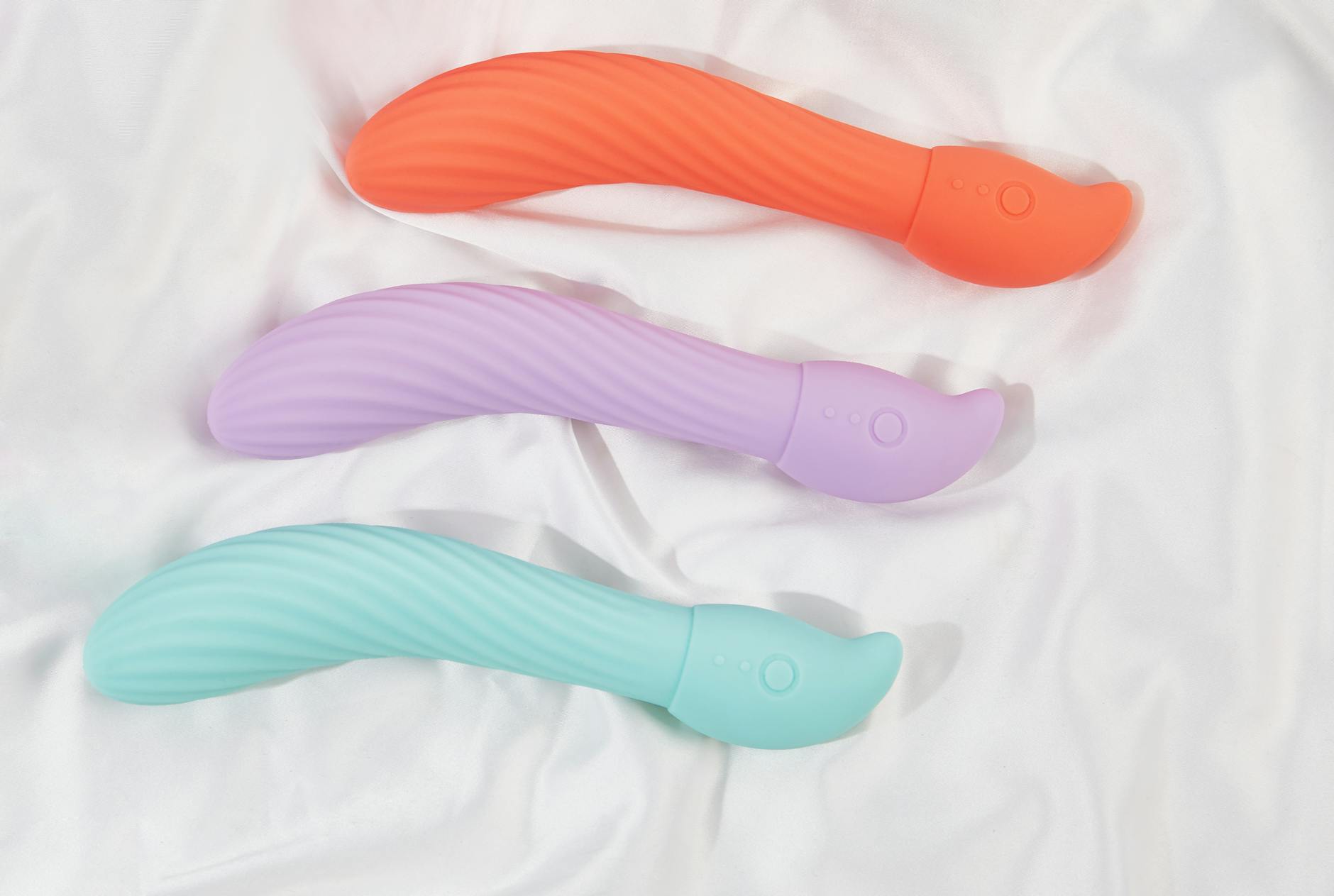
Let's be real about hysterectomy and pleasure
Hysterectomy changes your anatomy. It does not change your right to pleasure. That said, the transition back to sexual sensation after surgery is rarely straightforward, and most people get zero guidance on how to navigate it. Your surgeon talks about when you can resume intercourse. Nobody talks about sensation, clitoral response, or how to reconnect with your body on your own terms.
That's what this is for.
What actually happens to sensation after hysterectomy
The clitoris has its own nerve supply. It stays intact during hysterectomy. That's the good news. The complicated part is that your pelvic anatomy has changed. The uterus is gone. The ligaments that held it in place have been repositioned. Your vaginal vault may feel different in depth, tightness, or sensitivity depending on whether your ovaries were removed and what surgical approach your surgeon used (abdominal, laparoscopic, or vaginal).
Many people report that their clitoral response feels muted or delayed in the first few months after surgery. This is partly neurological inflammation settling down, partly hormonal if ovaries were removed, and partly psychological. Your brain has been through trauma. Even a successful surgery is trauma to your nervous system.
Here's what doesn't happen: you don't lose the capacity to orgasm. You don't lose interest in pleasure. You lose the familiar map of how pleasure works in your body. Learning the new one is the work.
Timeline: when to start exploring again
Most surgeons clear you for penetrative intercourse at six weeks. That does not mean your body is ready for a lemon vibrator, especially not on high intensity. Think of it as the medical minimum, not the pleasure green light.
I recommend waiting until 8-12 weeks post-op before solo exploration with a vibrator, and even then, start extremely gently. Your pelvic floor has been traumatized. Your internal scar tissue is still healing. Jumping back to your old routine is a fast way to trigger pain, inflammation, or dyspareunia (painful sex) that can stick around for months.
Why lemon vibrators are particularly helpful in recovery
A lemon clitoral vibrator like the Lem works differently than traditional vibrators. Instead of constant vibration, it uses gentle suction and pulsing patterns that stimulate the clitoral complex without aggressive friction. This matters enormously during recovery because:
Less mechanical stress. Your external genital tissue is sensitive. Suction-based stimulation doesn't require direct pressure, which means less risk of irritation or inflammatory response.
Pattern variety. The Lem has multiple intensity levels and patterns. You can start at pattern one on the lowest level, which is almost meditative. You're not forcing your body to respond. You're gently inviting it to wake up.
Psychological safety. There's something about a focused, contained tool that feels less invasive than a wand vibrator when you're rebuilding trust in your own body. You have control. You can stop instantly. That agency matters.
The first exploration: what to expect
Set aside 20 minutes with zero pressure. No goal of orgasm. This is reconnaissance, not performance.
Start with your external genitals only. No internal anything yet. Apply water-based lubricant generously. Even though your body produces its own lubrication, post-surgical tissue is often drier. Help it along.
Begin on the lowest intensity level. If you have a lemon vibrator, start with pattern one. Hold it gently against your clitoris for 10-15 seconds, then take a break. Notice what you feel. Is there numbness? Sensitivity? Pleasure? All of these are normal. Your nervous system is coming back online.
If nothing happens, that's fine. Pleasure takes time to rebuild. Come back tomorrow.
If you feel sharp pain, stop immediately. Contact your surgeon. Pain is information, and it shouldn't be ignored.
Graduated intensity: how to advance safely
Once you're comfortable with pattern one, you can experiment with the next level up. Spend at least a week at each level before advancing. This isn't a race. You're teaching your nervous system that sensation is safe again.
Internal exploration comes later. If and when you want to use a vibrator internally, wait until you've been cleared by your surgeon and you're comfortable with external sensation first. Even then, introduce it extremely gently. Go slow. Listen to your body's feedback.
Many people discover that they prefer external stimulation exclusively after hysterectomy. That's completely valid. The clitoris has thousands of nerve endings. You do not need internal penetration to have incredible orgasms.
When vaginal sensation changes, and what helps
If your surgeon removed your ovaries, you're dealing with surgical menopause in addition to surgical recovery. Estrogen drops immediately. Vaginal tissue becomes thinner, drier, less elastic. This is a double whammy because vaginal sensation is already altered by the surgery itself.
Water-based lubricant becomes essential, not optional. Many people in my practice discover that silicone-based lubes feel richer and more comfortable, but silicone lubes can degrade silicone toys. Stick with water-based for your lemon vibrator, and save silicone lubes for glass or stainless steel toys.
Vaginal moisturizers used several times a week (not just during sex) help rebuild tissue quality. Hyalo Gyn and Hyaforelle are two solid options. They work best as a consistent practice, not an emergency measure right before intimacy.
If penetration remains painful beyond six months post-op, talk to your surgeon or a pelvic floor physical therapist. Scar tissue sometimes needs professional attention to break up adhesions.
Using a lemon vibrator with a partner during recovery
If you have a partner, this is a conversation, not a surprise. Your recovery is not their responsibility, but their understanding matters. You're not avoiding them. You're rebuilding yourself.
Using a clitoral vibrator together, with your partner present and involved, can be an intimate way to reconnect. It shifts the focus from "we need to resume intercourse" to "we're exploring pleasure together." That's psychologically crucial.
Start with the vibrator as foreplay only. Keep expectations low. The goal is sensation and presence, not orgasm. Many people find that when orgasm happens, it arrives as a surprise, not a achievement.
If your partner is feeling anxious about the changes in your body or your response, that's worth acknowledging directly. Recovery after hysterectomy can trigger relationship friction because both of you are grieving a version of your body that no longer exists. Talking about that, with a couples therapist if needed, is not weakness. It's wisdom.
The psychological layer nobody mentions
Your hysterectomy was probably necessary. It was also a loss. Regardless of how relieved you are to be free of the medical reason for surgery, your body experienced something being taken away. That affects pleasure.
Some people report feeling less "whole" or less feminine. Some feel liberated and more connected to their sexuality. Most feel something in between. None of these are wrong. And all of them can impact how willing your nervous system is to relax into pleasure.
If you find yourself unable to access sensation weeks or months post-op, it might not be purely physical. Consider working with a therapist who specializes in body image or sexual recovery. The clitoris responds to safety, and safety is partly neurological, partly psychological.
Practical tips for success
Use fresh water-based lubricant every time. Old lube gets sticky and irritating. Start low and slow, always. Your pre-surgery intensity might feel jarring now. Give yourself permission to dial it down. Take breaks between sessions. Your pelvic floor needs rest and recovery, not constant stimulation.
Keep your lemon vibrator clean. A simple rinse with warm water and mild soap after each use prevents bacterial overgrowth, especially important when tissues are healing. Store it in a clean, dry place. Avoid extreme temperatures. Silicone is durable, but temperature swings can cause microscopic cracking that traps bacteria.
Notice your patterns. Are there times of day when sensation feels better? Certain lighting or music that helps you relax? Pressure or stress that makes it harder? Building awareness of your own arousal conditions is recovery work.
FAQ: hysterectomy recovery and pleasure
How long after hysterectomy can I use a vibrator?
Most surgeons clear you for external stimulation around 8-12 weeks post-op, but "cleared" and "ready" are different things. Start gently and respect what your body tells you. If it hurts, stop.
Will my orgasms feel the same after hysterectomy?
They might feel different. Some people report stronger, more focused orgasms after hysterectomy. Others report they're slightly muted at first. This usually normalizes over time as scar tissue settles and hormones stabilize (or don't, if your ovaries were removed). The sensation often shifts from a wave-like feeling that involves the uterus to a more concentrated clitoral response.
What if I had my ovaries removed too? Does that change pleasure?
Yes. Surgical menopause hits harder and faster than natural menopause. Estrogen drops immediately, which affects tissue quality, lubrication, and arousal speed. This is temporary if you're on hormone therapy, or permanent and manageable with good lubrication and patience if you're not. Either way, the clitoris still works. It just needs more support.
Can I use the Lem vibrator internally after hysterectomy?
Yes, but only once your surgeon has cleared you and you're comfortable with external sensation. Your vaginal vault is a surgical space. Internal vibration is fine, but introduce it slowly. Start with just the tip, lowest setting. Advance gradually. Many people find they prefer external-only stimulation. Honor that preference.
Is it normal to feel nothing when I try my vibrator after surgery?
Completely normal. Nerve inflammation, hormonal shifts, and psychological guardedness all mute sensation. It's not permanent. Keep exploring gently, without pressure. Sensation usually returns within weeks to months. If it hasn't returned six months post-op, talk to your surgeon or a pelvic floor specialist.
What if penetrative sex still hurts six months after hysterectomy?
Talk to your surgeon or ask for a referral to a pelvic floor physical therapist. Post-surgical pain can signal adhesions (scar tissue sticking to surrounding tissues), residual inflammation, or tension in the pelvic floor muscles that needs professional attention. This is fixable. You don't have to live with it.
You're not broken. You're rebuilding.
Hysterectomy recovery is not just about healing from surgery. It's about reclaiming your sexuality on new terms. Your body is different. That doesn't mean it's less. It means you get to learn it again, and sometimes learning it again is when pleasure gets deepest.
Give yourself the time. Use good tools. Listen to what your body is telling you. And know that on the other side of this recovery is often a version of yourself that knows pleasure more intentionally than before.