How Lemon Vibrators Help With Sensation Changes During Perimenopause
Here's what nobody tells you about perimenopause
Menopause doesn't arrive overnight. It announces itself quietly first, usually somewhere in your 40s, through a phase called perimenopause where your hormone levels start fluctuating wildly. This is when sensation changes begin. Your clitoris might feel less responsive to touch that used to work. Orgasms might take longer or feel different. What used to be a quick warmup now requires more time and attention.
The thing is, perimenopause sensation changes are completely normal and completely fixable. Most people assume they're doing something wrong or their body is broken. It's neither. It's just a transition, and lemon sexual toys like the clitoral vibrators from My Lemon Sexual Toys are genuinely useful during this window.
Here's what I'm going to walk you through: what's actually happening physiologically, why lemon vibrators work so well for this specific phase, and how to adjust your routine so pleasure stays accessible.
What perimenopause does to sensation
Estrogen is dropping, but not consistently. Some days it's higher, some days it plummets. This hormonal seesaw affects blood flow to your genitals, tissue thickness, and how quickly nerves fire. Your clitoris has thousands of nerve endings, and reduced estrogen means those nerves are getting less oxygen and less support from surrounding tissue.
You might notice:
- Orgasms feel more distant or require more stimulation to reach
- Direct touch feels either too intense or too numb
- Lubrication patterns are unpredictable
- Sensation varies day to day depending on your cycle
- Recovery time between orgasms changes
The second thing happening is psychological. Perimenopause often arrives with other stressors: aging anxiety, relationship shifts, career pressure, kids still needing you. Your nervous system is already taxed. Adding friction and disappointment during sex just makes your body more defensive about pleasure.
Why lemon vibrators work differently during perimenopause
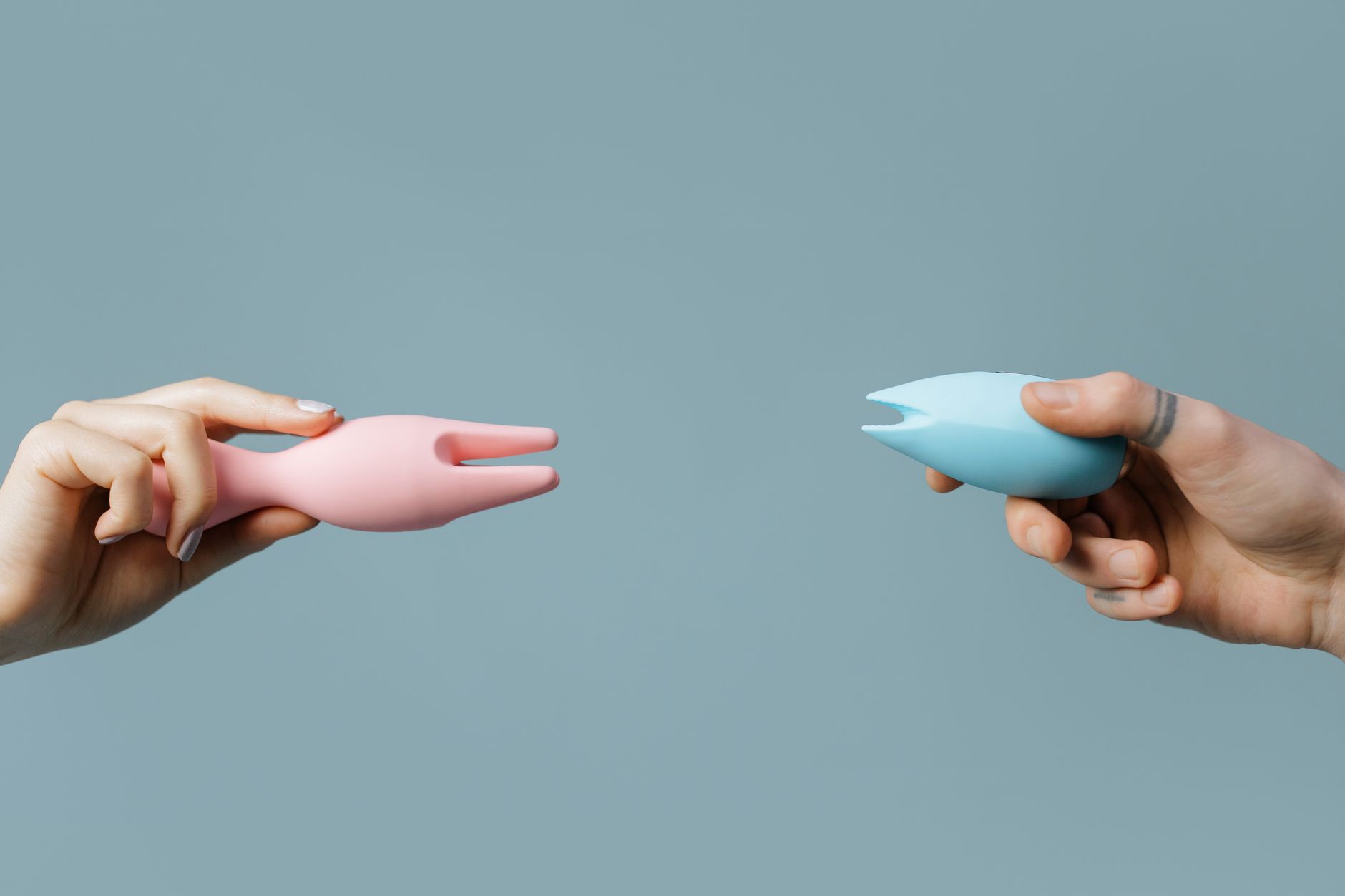
The Lem and other lemon clitoral vibrators from My Lemon Sexual Toys use suction and gentle vibration rather than direct friction. This matters during perimenopause because suction stimulates nerves without the mechanical pressure that can feel overwhelming on thinner or more sensitive tissue.
Here's the biomechanics: when estrogen drops, the epithelial layer covering your clitoris thins slightly. Direct vibration at high intensity can create micro-irritation. Suction, by contrast, draws tissue upward and stimulates clusters of nerve endings without harsh contact. It's the difference between poking something sore and gently drawing out the sensation.
I recommend lemon adult toys specifically for this phase because the design works with what's changing, not against it.
How sensation actually shifts during perimenopause
There are three distinct patterns I see in clients going through this transition.
Pattern one: the slow burn. Arousal takes longer. What used to build in 5 minutes now takes 15 or 20. This isn't dysfunction. It's your body asking for more consistent stimulation and mental engagement. Lemon clitoral vibrators help here because suction provides that steady, predictable pressure without fatigue.
Pattern two: the flatness. Some people report feeling like their sensation dial is stuck at 3 out of 10, no matter what they try. This is usually hormonal, but sometimes it's also relationship numbness or stress. A lemon vibrator can help you rediscover your baseline by providing novel stimulation that your nervous system recognizes as distinct from touch alone.
Pattern three: the hypersensitivity shift. A smaller group reports that direct touch suddenly feels irritating or almost painful in ways it didn't before. For these folks, lemon vibrators on lower settings or using the suction feature without power are game-changers because they reduce pressure while maintaining stimulation.
Whichever pattern you're in, the key is recognizing that perimenopause sensation changes are temporary and manageable.
Adjusting your routine for perimenopause pleasure
Four practical shifts that help almost everyone I work with.
Extend your warmup window. Budget 20-30 minutes instead of 10. Start with lower-intensity patterns on your lemon vibrator and let your body build arousal gradually. Rushing creates frustration and teaches your nervous system that sex is stressful. Slow creation of arousal retrains your body toward pleasure.
Use lube intentionally. Not because you're broken, but because perimenopause tissue benefits from external moisture. Water-based lubes work best with silicone toys and feel natural. Reapply halfway through your session because arousal patterns are less consistent right now.
Layer different stimulation. Try combining suction from your lemon clitoral vibrator with internal touch or partner involvement. The combination often unlocks sensation when either alone feels muted. This is also where couples reconnect during perimenopause because you're both learning something new together.
Track what works across your cycle. Perimenopause sensation varies with hormonal fluctuations. Notice which days feel more responsive and which feel numb. This isn't random. Knowing your pattern helps you adjust expectations and timing rather than blaming yourself for feeling different.
The relationship piece that matters
If you have a partner, perimenopause often triggers conversations about desire and attraction that have nothing to do with sensation and everything to do with stress, aging anxiety, and feeling unseen. When you add sensation changes on top of that emotional weight, sex becomes a minefield.
Using lemon vibrators together can actually open a door here. It shifts the focus from "why isn't this working like it used to" to "let's explore what works now." That's not just sexy. It's also a conversation reset that helps both people remember they're on the same team.
Let your partner know what you're experiencing. "I'm going through perimenopause and my body's responding differently to touch" is a statement about your body, not about them or your desire for them. Separating those conversations prevents defensiveness and creates space for actual connection.
When to layer in other support
If sensation changes feel severe or accompanied by pain, see your doctor. Some perimenopause sensation issues respond really well to topical preparations or hormonal adjustments. That's not a failure of lemon vibrators. It's just recognizing that biology sometimes needs medical support alongside pleasure tools.
Also notice if your sensation flatness is emotional. Perimenopause often overlaps with life transitions (kids growing up, career shifts, aging parents, relationship strain). Sometimes what feels like a physical sensation problem is actually your nervous system checking out because it's overloaded. Therapy, rest, and boundary-setting sometimes matter more than new toys.
Both/and works here. A lemon clitoral vibrator can support your physical pleasure while you also address the emotional and relational pieces.
FAQ
Is perimenopause sensation loss permanent?
No. Perimenopause lasts 4-10 years typically, and sensation changes shift during that time. Most people find their rhythm within a few months of consistent, patient exploration. Menopause itself brings different sensation than perimenopause. Think of perimenopause as a transition phase where your body is adjusting, not a permanent ending.
Can lemon vibrators help if I'm on hormonal birth control during perimenopause?
Yes, though the effect is different than if you're off hormones. Hormonal birth control can compound sensation flatness, so adding stimulation via a lemon clitoral vibrator often helps. If you're exploring stopping hormonal birth control, talk to your doctor about timing. Some people find that stopping birth control during perimenopause helps sensation return faster.
Why does my partner's touch feel less effective than my lemon vibrator right now?
A few reasons. Lemon vibrators provide consistent, predictable stimulation. Your partner's touch, while intimate, varies in pressure and rhythm depending on attention and energy. During perimenopause, your nervous system often responds better to reliability. Also, a lemon suction vibrator stimulates your clitoris in a way partner touch alone cannot. That novelty itself can reignite sensation. This doesn't mean partner touch is bad. It means different tools serve different purposes during this phase.
Is it normal for my sensation to feel different on different days during perimenopause?
Completely normal. Perimenopause hormones are erratic. Some days your estrogen is higher, other days it drops. This affects blood flow, lubrication, and nerve sensitivity. If you track your sensation alongside your cycle, you'll likely see a pattern. That knowledge helps you adjust expectations rather than getting frustrated.
Can using a lemon vibrator make perimenopause sensation changes worse?
Unlikely if you're starting on lower settings and using water-based lube. The biggest mistake is using high-intensity vibration on sensitive tissue without adequate warmup or lubrication. Start at settings 1-2 on your lemon vibrator and work up. Your body will tell you what it needs.
What's the difference between perimenopause sensation changes and menopause sensation changes?
Perimenopause is the transition. Your hormones are fluctuating wildly, so sensation changes from day to day. Menopause is when your period has stopped for 12 months and your hormones stabilize at a lower baseline. Sensation in menopause is usually more consistent (though different) than in perimenopause. Many people find pleasure actually improves in menopause because the uncertainty ends and they can adapt their routine accordingly.
You're not losing pleasure, you're just entering a new phase
Perimenopause sensation changes feel scary because nobody explains them clearly. You're supposed to think you're broken or losing your sexuality. You're not. Your body is transitioning, and that requires adjustment.
Lemon vibrators from My Lemon Sexual Toys work really well during perimenopause because they're designed for exactly this: providing stimulation that works with changing sensation rather than against it. But the vibrator is just a tool. The real work is giving yourself permission to explore what pleasure looks like now, to adjust your expectations without lowering them, and to stay curious about your body instead of frustrated with it.
If you're navigating perimenopause and want support thinking through pleasure, relationships, or this transition phase more broadly, I'm here. Reach out at /contact and let's talk about what you're experiencing.
Your pleasure matters. Your changing body matters. And there's absolutely a way forward that feels good.