
Here's the thing about aging and clitoral sensation
Your clitoris doesn't get less powerful with age. It gets different. And honestly, for a lot of people, that difference is the opposite of loss.
The tricky part is that nobody talks about it clearly. Sex gets either sanitized ("you're still sexy at any age") or doom-posted ("everything goes downhill"). The actual neurobiology is way more interesting than either of those stories.
What actually happens to clitoral sensation over time
Let's start with what doesn't change. Your clitoris has roughly 8,000 nerve endings, the same at 55 as it was at 25. The neural pathways for arousal don't disappear. Orgasm is still absolutely achievable.
What does shift is the sensitivity profile itself. Three main changes happen:
First, the clitoral glans becomes slightly less responsive to light touch. This sounds bad until you understand what it means in practice. It means that the kind of stimulation that felt like fireworks at 30 now registers as interesting but not earth-shattering. You're not numb. You're just differently calibrated.
Second, the tissue around the clitoris loses some elasticity. Less estrogen (whether from natural aging or medication) means thinner epithelial layers. This can make direct friction feel uncomfortable rather than pleasurable.
Third, it takes longer for arousal to build. Neurologically, this isn't about motivation or attraction. It's about how quickly blood rushes to the clitoral tissue and how fast the nerve endings fire. Budget more time. That's the entire adjustment.
Why lemon vibrators are particularly useful here
The design of a lemon clitoral vibrator works brilliantly with how sensation actually changes. Here's why.
A lemon vibrator uses suction and gentle pulse patterns rather than direct vibration. That matters because suction stimulates a broader nerve network around the clitoris, not just the hypersensitive glans. As you age and that glans gets pickier, suction-based stimulation often feels better than traditional buzz.
The rhythm is also slower and more deliberate on most lemon vibrators compared to high-frequency devices. Slower patterns let you feel the nuance of each pulse. You're not chasing intensity. You're exploring what actually feels good right now, at this age, with this body.
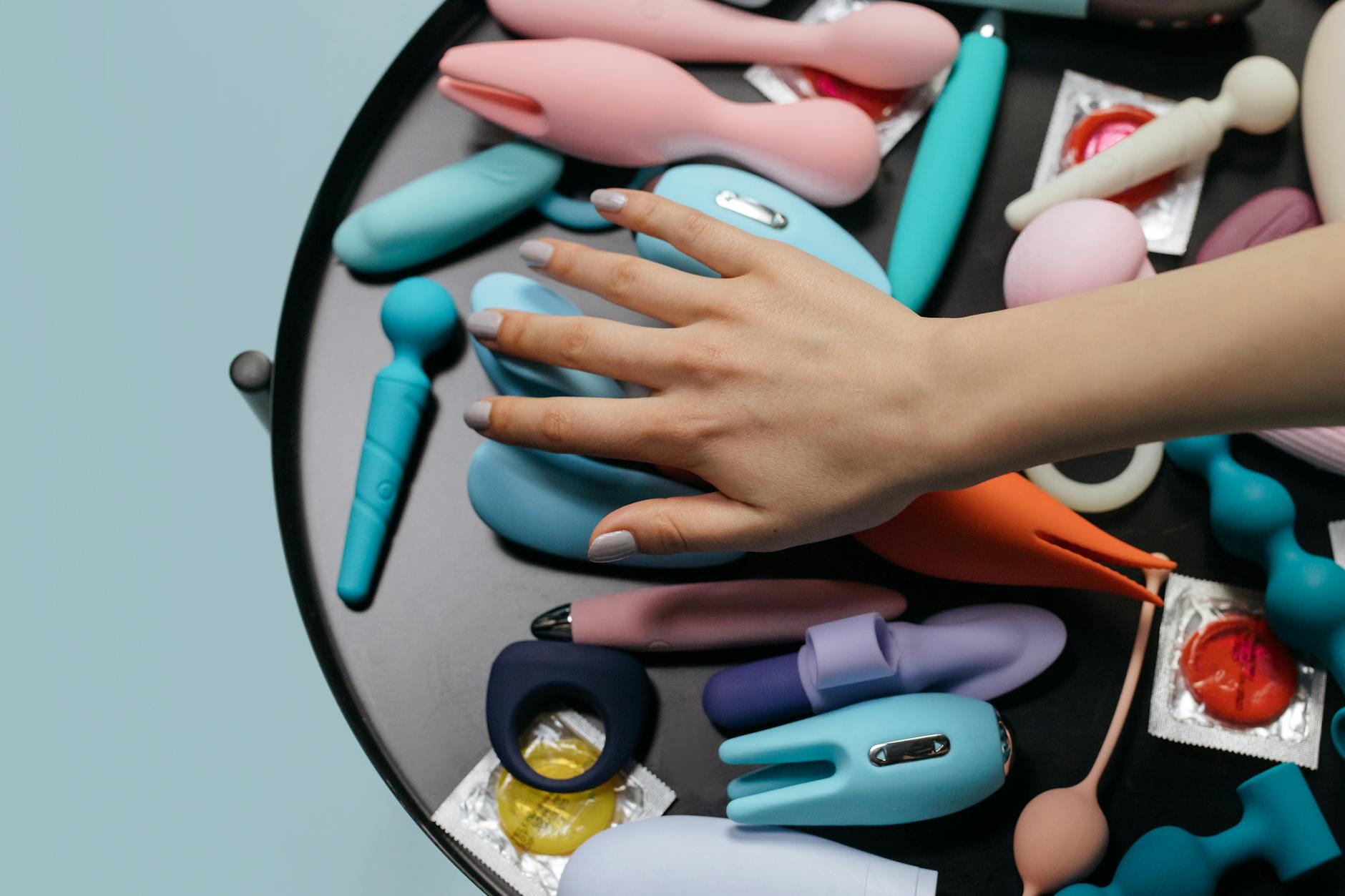
Photo by cottonbro studio on Pexels
Practically, that means you might use a lemon vibrator at patterns 2 or 3 where you used to need pattern 5 or 6. You're not settling for less stimulation. You're finding the sweet spot that actually works for this version of your body.
The arousal timeline expands, not disappears
One thing I hear from people in their 40s, 50s, and beyond: "It takes forever to get there now." Yes. And that can actually be an upgrade.
Remember being in your 20s and orgasming in five minutes, sometimes without much buildup, sometimes barely present for it? That speed was useful for a lot of reasons. It also meant you missed the entire middle section.
When arousal takes 15 to 25 minutes to build, you have time to actually feel what's happening. You notice the exact moment sensation shifts from pleasant background to front-and-center. You catch the small surges. Most importantly, you're not trying to rush somewhere. You're already there.
Lemon vibrators are excellent for this extended timeline because they reward patience. The longer you use it, the more you can dial in the exact sensation you want. You're not trying to push yourself over a finish line. You're exploring.
What changes with lubrication and comfort
Tissue changes mean lubrication becomes genuinely useful, not optional. A water-based lube makes everything feel richer and prevents the slight discomfort that can happen with direct contact on thinner tissue.
Use a lube that's made for this. Silicone-based feels luxurious, but it damages silicone toys. Stick with water-based. Apply it generously. You're not using it because something's wrong. You're using it because it works better now.
This also means starting lower on intensity and building up. If you have a lemon vibrator, beginning at patterns 1 or 2 isn't compromise. It's actually smarter biomechanics. Your tissue will thank you.
The role of mental attention
Here's something nobody mentions: as sensation shifts, mental attention becomes more important, not less.
At 25, your brain could mostly check out and your body would still find pleasure. At 45, 55, 65, your nervous system responds better when you're actually mentally present. That's not weakness. That's specificity. Your brain and body are more integrated.
Which means the setup matters. Dedicated time matters. Removing distractions matters. Having a partner who understands that you need a different pace matters. This isn't about trying harder. It's about showing up differently.
When sensation shift signals something else
If numbness appears suddenly, or if pain shows up where there wasn't pain before, see someone. Genitourinary syndrome, nerve compression from certain conditions, medication side effects, and hormonal changes can all affect sensation. Most are fixable or manageable.
If you've always had a certain sensitivity profile and it simply continues to evolve gradually, that's normal aging. If it drops off a cliff or becomes painful, get it checked. The difference matters.
Building a practice that evolves with you
The goal isn't to recreate sex at 30. It's to discover what turns you on now. That might mean exploring sensations you never bothered with when you had the quick-hit option. It might mean partnered sex looks different. It definitely means solo pleasure looks different.
A lemon vibrator is one tool for that exploration. It's not the only answer. But it's a particularly good fit because the design philosophy (slow, sensory, exploration-based) aligns with how pleasure actually works as you age.
Your clitoris still works. Your capacity for orgasm is still there. What's changed is the path to get there, and honestly, the path is where the good stuff lives now.
People also ask
Does clitoral sensitivity really decrease with age, or is it just in my head?
It's not in your head. Declining estrogen, changes in blood flow, and natural tissue aging all affect clitoral sensitivity measurably. But decreased sensitivity doesn't mean decreased pleasure. The sensation is different, not less. Many people report more intense, more nuanced orgasms after their sensitivity profile shifts. It's adaptation, not loss.
Can lemon vibrators help if I've lost feeling in my clitoris?
Lost feeling is different from changed feeling. True numbness can signal medication side effects, nerve issues, or hormonal imbalance and should be checked by a doctor. But if you mean sensation has simply become less responsive to light touch, a lemon vibrator's suction mechanism often works better than traditional vibration because it engages a broader nerve network and creates stimulation rather than requiring existing sensitivity.
Should I use more power or less power as I age?
Usually less initial power, more nuance. Start at lower patterns and see what actually feels good, not what you think should feel good. Many people find they prefer patterns 2-4 on a device as they age, and that's completely normal. The goal isn't matching your old settings. It's finding what works now.
Does hormonal change affect clitoral sensation directly?
Yes. Estrogen supports epithelial thickness and blood flow. Lower estrogen means thinner tissue and potentially slower arousal. This is one reason why some people experience sensation shifts around perimenopause or while taking certain medications. If the change is dramatic, hormonal assessment with a doctor can help clarify what's happening and what options exist.
Is it normal to need more time to orgasm after 40?
Completely normal. Arousal buildup can take longer due to changes in blood flow, nervous system response, and overall physiology. This isn't dysfunction. It's variation. And the upside is that this extended timeline often means you're more present for the actual experience, which makes orgasms feel qualitatively different and often better.
Can I use the same lemon vibrator settings I used five years ago?
Probably not, and that's okay. Your body is different now. Start at lower settings and adjust up if needed. Many people find they actually prefer a gentler, more detailed sensation as they age rather than chasing intensity. Lemon vibrators are great for this because you can dial in exactly what feels good rather than choosing between on and off.
The real story about aging and pleasure
You're not losing your ability to feel. You're getting pickier about what feels good, and your body is learning to make pleasure more efficient.
That sounds like a weird thing to celebrate until you actually experience it. Then you realize that pleasure built on specificity and presence is actually better than pleasure built on speed and urgency.
Lemon vibrators are built for exactly that. If you're noticing your clitoral sensation shifting with age, explore how other people have adapted their practice. And if you're thinking about trying one for the first time, the beginner's guide walks through what to expect.
Your pleasure matters at every age. The path just gets more interesting.