Let's name what this actually is
Reclaiming pleasure after sexual trauma is not about forgetting what happened. It's about building a new relationship with sensation, control, and your own body. That takes intention, patience, and tools that let you set the pace entirely.
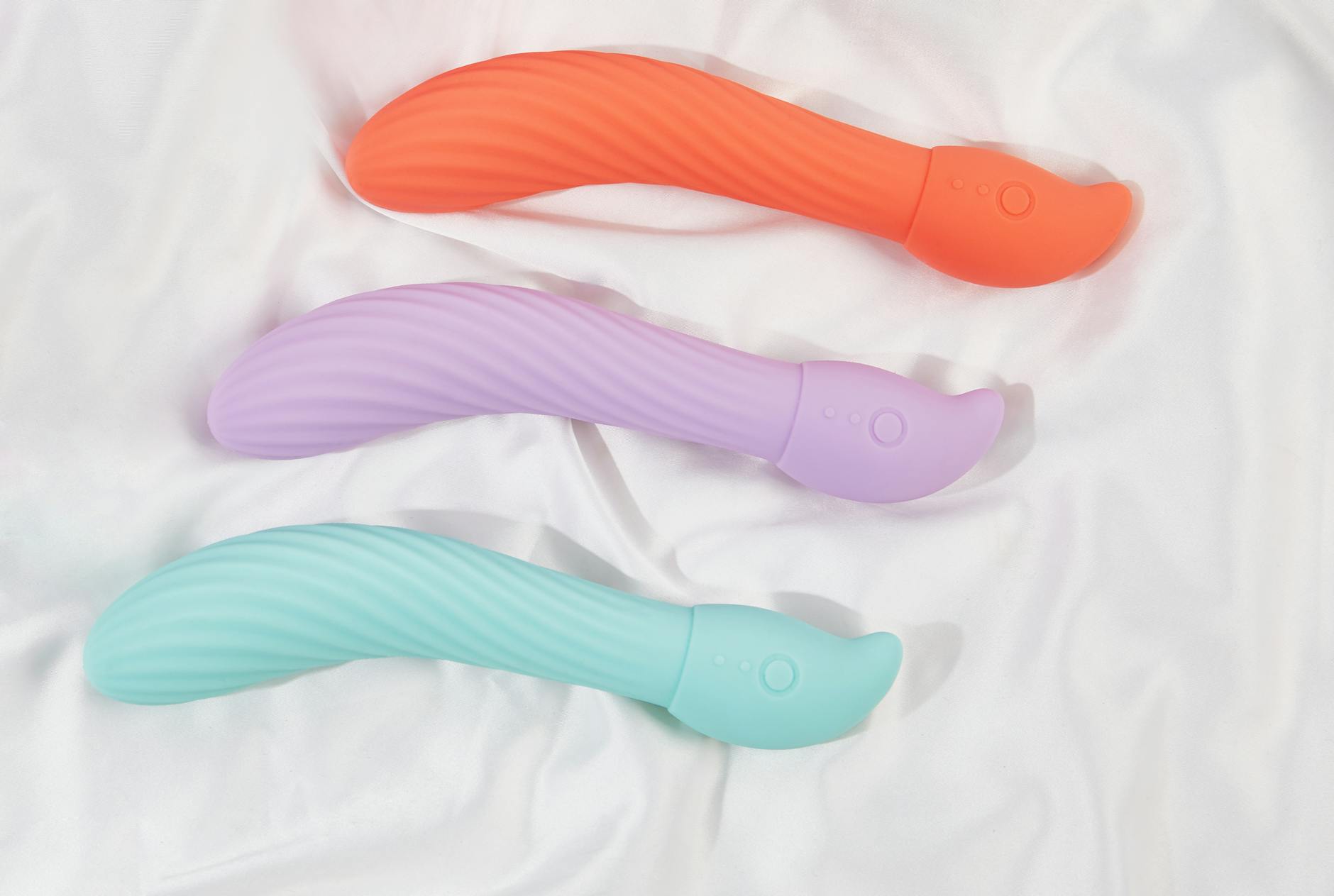
Lemon vibrators, particularly air-suction clitoral vibrators like Hello Nancy's lemon toy lineup, can be part of that toolbox. Not as a fix for trauma (that's therapy), but as a way to practice consent with yourself first.
Why this matters right now
After trauma, pleasure feels unsafe. Your nervous system learned to protect you by tensing up, staying alert, reading danger in sensation. Rebuilding trust with your body means learning that stimulation can be something you control, pause, adjust, or stop instantly. Most traditional vibrators demand constant contact and speed adjustment. Lemon vibrators work differently.
The suction-based design of Hello Nancy's lemon clitoral vibrator means you're not being stimulated by the toy. You're inviting the stimulation by positioning yourself. That distinction is huge for survivors. It gives you the power to move, angle, pull away, and return. That's consent in action.
How suction-based stimulation changes the healing equation
A traditional vibrator presses against you. You receive the vibration. With a lemon vibrator's suction mechanism, you create the contact. You control the seal, the duration, the intensity by how you position your body. If something feels unsafe, you move. There's no fighting with the toy or yourself.
For trauma survivors, this matters because it teaches your nervous system that you can trust sensation again, one tiny choice at a time.
Most survivors I work with report that this sense of agency is the first thing they notice. Not pleasure yet. Not comfort. Just the feeling of being in charge.
Starting with the gentlest patterns
Hello Nancy's lemon vibrators start at pattern one, which is quieter and more rhythmic than forceful. Many survivors begin by using the toy with clothes still on, or with a thin barrier between themselves and direct contact. This isn't avoidance. It's pacing.
From there, you might spend weeks or months just sitting with the lowest settings, learning that the sensation stays where you control it. Once that feels solid, you can explore slightly higher patterns. There's no rush, and no normal timeline.
I recommend setting a timer for five minutes. When the timer goes off, stop. This teaches your body that pleasure has boundaries, and boundaries are safe.
The role of communication if you're with a partner
If you're rebuilding intimacy with a partner after trauma, solo exploration with a lemon vibrator first is essential. Here's why: you need to know what feels good to you before you can communicate it to someone else. You need to practice saying yes and no without another person's reaction changing your answer.
Once you've spent time alone with your toy, the conversation with a partner shifts. Instead of "I'm broken" or "I don't know what I want," you can say, "I've found that I like this pattern, with this timing, when I'm leading." You're not asking permission. You're sharing data.
The lemon vibrators from Hello Nancy, with their quiet, contained design, also work well for partners to use together if and when you're ready. But solo first, always.
Building back into partnered pleasure
When you do bring a partner in, their role changes. They're not the main event. The lemon vibrator is. They're there to hold you, to be present, to respect your boundaries. If something feels wrong, you can signal and they pause. The vibrator stops. Nothing happens without your clear yes.
This is different from how many survivors were taught to experience pleasure before. It's slower. It's smaller. And it works.
Practical setup for safe solo exploration
Three things I tell every survivor before starting:
First, privacy. You need space where you won't be interrupted, where you don't need to worry about someone walking in. That means a locked door, headphones if the toy's sound triggers you, and a time when you're genuinely alone.
Second, no pressure to feel anything. You're not trying to have an orgasm. You're practicing being present with sensation. That's it. If pleasure happens, great. If you just feel something, that's enough.
Third, an exit plan. Know before you start what you'll do after. Get up, drink water, put on clothes, hug a pillow. Give your nervous system something grounding and safe on the other side.
Why lemon clitoral vibrators specifically
The clitoral focus matters. After trauma, many survivors have learned to disconnect from their bodies entirely, or to disconnect from pleasure because pleasure was tied to harm. Starting with an external, focused tool removes the pressure of full-body arousal. You're not trying to relax your whole nervous system. You're just learning that one small part of your body can feel sensation and it's okay.
The lemon vibrators and other Hello Nancy toys are also designed for control. You can pause easily, adjust pressure by moving, shift patterns without digging through complicated menus. Less cognitive load means more capacity to just feel.
When to add a partner, and when to wait
I recommend solo exploration for at least two to four weeks before involving a partner, and that's only if you want to. Some survivors find that solo pleasure is what they need, and that's complete and whole in itself.
If you do involve a partner, the minimum requirement is this: they have to understand that your pleasure matters more than theirs during this phase. They're not there to be satisfied. They're there to support you rebuilding your relationship with your own body. If they can't hold that, the conversation isn't ready.
Therapy first, exploration with lemon vibrators second, partner involvement third. That order isn't a rule. It's a guideline for nervous system safety.
What healing actually looks like
It's not about having an orgasm. It's about noticing that you can feel pleasure without shame. It's about knowing that you can say no and be heard. It's about learning that your body can surprise you again, gently.
For many of my clients, the shift comes when they realize the lemon vibrator has no agenda. It won't push. It won't demand. It will do exactly what they ask, as long as they ask it. That trust in a tool sometimes becomes the bridge back to trusting sensation, and eventually, to trusting a partner again.
The bigger picture
Trauma changes how your brain processes pleasure. Rebuilding that takes time, consistency, and a lot of self-compassion. Lemon vibrators are one tool in a bigger healing toolkit. They're not a replacement for therapy, for trusted connection, or for your own nervous system's wisdom about what's safe.
But they are something. They're a way to practice consent with yourself first. They're a space where you control everything. And sometimes, that's exactly what healing needs to begin.
If you're rebuilding after trauma, you deserve pleasure. It might look different than before. It might take longer to arrive. But it's possible, and it's yours to reclaim.
People also ask
Can I use a lemon vibrator if I'm still having flashbacks?
Yes, but with care. If flashbacks are happening frequently, work with your therapist first to build some stability in your nervous system. Lemon vibrators are tools for gentle, controlled exploration, but they're not effective if your system is in crisis. Once you and your therapist feel ready, starting with very short sessions (two to three minutes) and focusing on breathing can help anchor you in the present moment while exploring sensation.
How long before I can have partnered sex again after using a lemon vibrator?
There's no timeline. Some people feel ready after a month of solo exploration. Others take six months or longer. The measure isn't time. It's whether you feel autonomous, safe, and genuinely interested. If you're doing it because a partner is waiting, that's not ready. If you're doing it because you want to, that's different. Solo pleasure with a lemon vibrator can be your complete answer. It doesn't have to be a bridge to partnered sex.
What if using a lemon vibrator triggers me?
Stop immediately and pause that exploration. Triggering doesn't mean you've failed or that vibrators aren't for you. It means your nervous system needs more support before this particular tool is helpful. Talk to your therapist about what felt unsafe and why. Sometimes a different toy feels better. Sometimes you just need more time. Both are okay.
Can my partner use the lemon vibrator on me if I'm healing from trauma?
Only if you're certain it feels safe and consensual. The safest approach is to explore alone first so you know what the tool feels like and you can control it. Once you're comfortable, a partner can use it, but you should be directing them. They're following your lead. If at any moment it doesn't feel right, you can say stop and they stop. That full autonomy is what rebuilds trust.
Is there a "right" lemon vibrator for trauma recovery?
The quieter, less intense lemon clitoral vibrators tend to work better for initial exploration because they feel less overwhelming. Hello Nancy's entry-level lemon vibrators are designed with this in mind. Start at the lowest pattern and speed. You can always increase. You can't un-feel something that was too intense.
How do I know if I'm healing or just going through the motions?
Healing feels like expanding choice. You can feel sensation without shame. You can say no without guilt. You can experience pleasure without it triggering memories of harm. Those shifts are small and happen slowly. You'll notice them when you realize you're not holding your breath anymore, or when you stay present instead of dissociating. Healing isn't about erasing what happened. It's about your body feeling like it belongs to you again.
Going forward
Recovery from sexual trauma is not linear. You'll have days where pleasure feels accessible and days where your nervous system needs to protect you again. That's not failure. That's healing as it actually happens.
Lemon vibrators from Hello Nancy can be part of your toolkit for that recovery. But they're a tool, not a timeline, not a cure. The real work happens in your nervous system, in therapy, in rebuilding trust with yourself and possibly with another person.
If you have questions about how to use lemon vibrators safely during your healing journey, reach out to Hello Nancy's team at /contact. You deserve support, patience, and pleasure that's entirely yours.
References & Resources
This post draws on clinical approaches from trauma-informed therapy, somatic experiencing, and Gottman Method relationship research. If you're recovering from sexual trauma, professional support matters. Organizations like RAINN (1-800-656-HOPE) offer confidential support and referrals to therapists who specialize in trauma recovery.