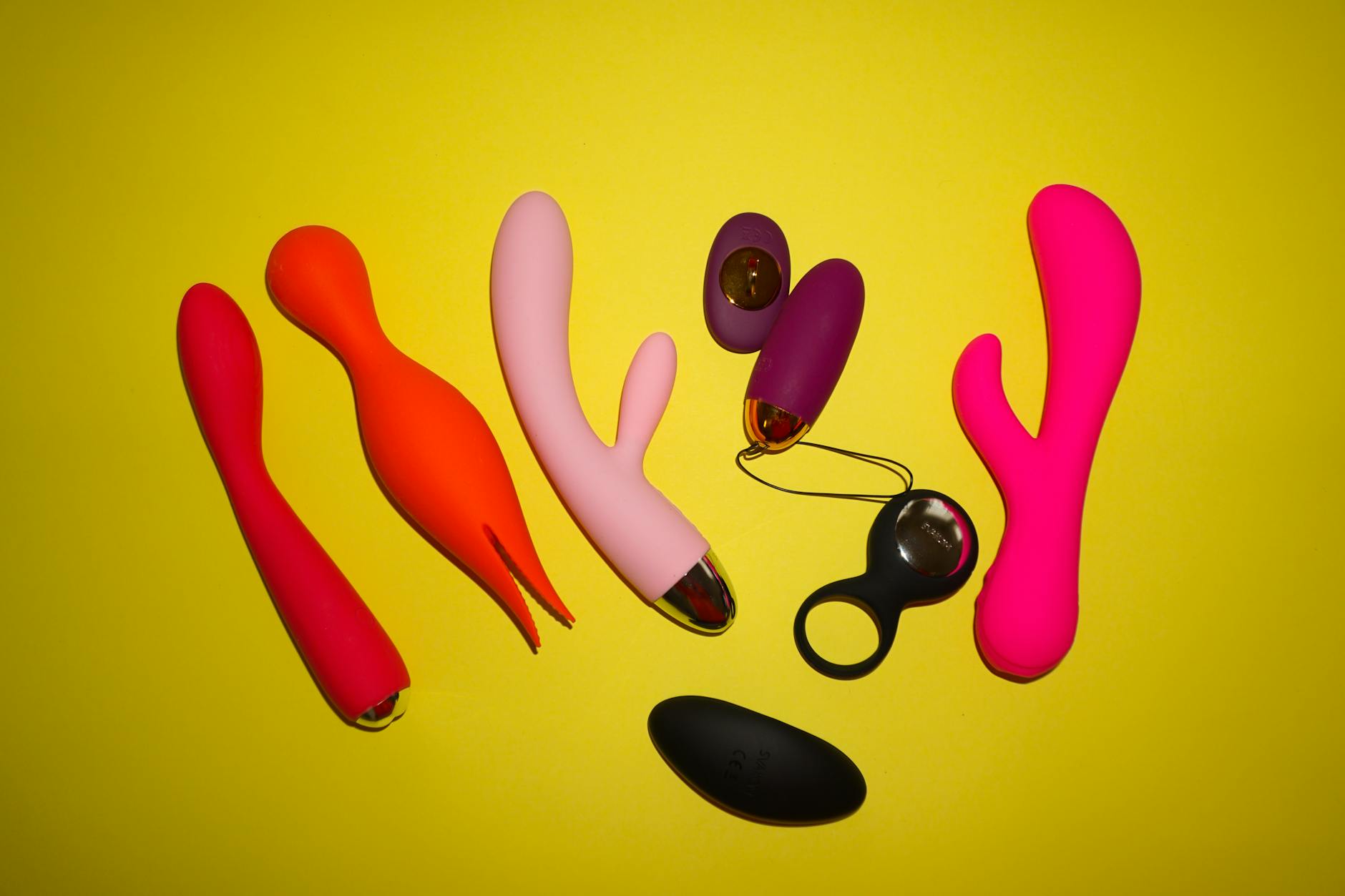
Here's the thing nobody tells you about lemon vibrators
Not every suction toy feels the same on every body. Your clitoral anatomy—the shape of your hood, the size of your glans, how close your nerve endings sit to the surface—directly determines which lemon vibrators and lemon sexual toys will give you actual pleasure instead of frustration. Add in sensitivity levels, and suddenly the "best" vibrator becomes a much more personal conversation.
I see this constantly with couples and solo users. Someone buys a lemon clitoral vibrator based on reviews, and it either feels like a gentle hum or like someone's vacuuming off your skin. Neither is the toy's fault. It's a mismatch between design and anatomy.
Why clitoral hood size matters more than you think
Your clitoral hood is the fold of skin covering your clitoris. Some people have a prominent hood that sits high and protective. Others have a small, flat hood that leaves the glans (the sensitive tip) more exposed.
This changes everything about how a lem vibrator feels.
If you have a thick or prominent hood, direct vibration often doesn't penetrate enough sensation. Your nerve endings are insulated by that protective tissue. This is where lemon sexual toys with stronger suction patterns actually shine. The suction pulls the hood back slightly and stimulates nerves deeper in the clitoral structure. Patterns 4 through 7 on most lemon vibrators work better than patterns 1-2, because intensity helps bridge that anatomical gap.
If you have a shallow or retracted hood, the opposite is true. Your glans is already exposed and sensitive. Direct stimulation from a clitoral vibrator can feel overwhelming. You'll want to start on patterns 1-3 and possibly use a thin barrier (a finger, a piece of fabric) between the toy and your clitoris. This isn't a sensitivity problem. It's an anatomy thing, and it's wildly common.
How nerve density changes what settings actually work
Not everyone's clitoris is equally sensitive. And I don't just mean some people have higher pain thresholds. I mean the actual number and distribution of nerve endings varies.
Your clitoris has about 8,000 nerve endings concentrated in a tiny area. But where those nerves cluster differs. Some people have denser innervation on the sides of the glans. Others have it more concentrated on the tip. Still others have a more even distribution.
Why does this matter? Because the shape of a lemon lem vibrator means it makes contact with your clitoris at a specific angle. If the toy's suction cup aligns with your densest nerve cluster, pattern 2 feels incredible. If it misses that zone slightly, you might need pattern 5 to feel the same level of stimulation.
This is why paying attention to your body during the first few sessions is crucial. Use a lemon clitoral vibrator at low intensity and notice which part of your clitoris lights up. Is it the tip? The sides? The base where it connects to your body? That tells you which patterns and positions will feel best.
Body size and positioning aren't what you'd think
People often assume larger body size means you need a stronger vibrator. That's not how it works. Your clitoris isn't inside your body—it's external. A lemon vibrator stimulates the same nerve endings whether you weigh 120 pounds or 250 pounds.
What does change with body size is positioning and comfort during use. Thicker thighs or a fuller vulva might mean the toy sits at a different angle than it would on someone else. This can change how the suction cup makes contact.
If you have a fuller vulva or inner labia that extend further, you might find that your clitoral hood needs more setup time to position the toy correctly. Some people find that lying on their back with a pillow under their hips helps with alignment. Others prefer sitting up slightly so gravity isn't working against them.
The toy itself doesn't change. Your body's relationship to the toy does.
Sensitivity differences after hormonal changes
Hormone shifts—whether from birth control, menopause, breastfeeding, or other life changes—alter clitoral sensation in measurable ways. Estrogen affects blood flow and tissue thickness. Testosterone affects nerve firing and arousal speed.
After menopause, tissue thins and sensation can feel more localized or concentrated, rather than diffuse. This often means lemon vibrators with gentler suction patterns work better initially. Your clitoris isn't less sensitive. It's just that the tissue it sits under has changed shape, so direct pressure sometimes feels sharper than it used to.
On hormonal birth control, some people report muted sensation overall. This doesn't mean you need the strongest toy available. It often means you need a toy that delivers consistent, sustained stimulation rather than variable patterns. Setting your lemon clitoral vibrator to a steady pattern and holding it there for 5-10 minutes often works better than cycling through settings.
After pregnancy and childbirth, pelvic floor changes can make sensation feel different. If your pelvic floor is tight or holding tension, your clitoris might feel less accessible. Working with pelvic floor awareness—consciously relaxing those muscles—often unlocks sensation better than reaching for a more intense toy.
The actual guide: matching toys to anatomy
For a prominent or thick clitoral hood. Start with the Lemon Clitoral Vibrator at patterns 4-7. The stronger suction will give you enough sensation to feel stimulation through the tissue. Avoid laying flat; try sitting upright or reclining so the toy can pull the hood back naturally.
For a shallow hood or exposed glans. Start at patterns 1-3 and consider a barrier (your finger or a thin cloth) between the toy and your clitoris. This isn't limiting. It's matching the tool to your anatomy. Many people with this anatomy report that patterns 1-2 with a barrier feel better than patterns 5-7 without one.
For overall high sensitivity. You're not broken. Start low and slow. The Lemon vibrators' range of 10 intensity levels means you have granular control. Spend time on patterns 1-4. You might find that you never need to go higher. Or you might discover that over 20-30 minutes, your body learns to tolerate stronger patterns. Let that unfold naturally.
For muted sensation. Longer warm-up time helps more than higher intensity. Spend 10-15 minutes with a toy on a medium pattern before expecting explosive sensation. Your arousal system might just need time to build. Read erotica, listen to audio. Let your brain catch up to the physical stimulus.
After hormonal shifts. If you're new to menopause or adjusting to birth control, give yourself 2-3 weeks of exploration before deciding if a toy works. Your body is adapting. The toy isn't the problem; it's that you're learning a new version of your own sensation.
The sensation overlap nobody talks about
Here's something I wish someone had told me earlier: the difference between pattern 2 and pattern 3 on a lemon lem vibrator is often smaller than the difference between how that same toy feels in position A versus position B on your body.
Angle matters more than settings. If a lemon clitoral vibrator isn't working, try tilting it 15 degrees before jumping to a stronger pattern. Sometimes a tiny shift in how the toy makes contact—whether it's hitting the tip, the side, the base of your clitoris—transforms the entire experience.
This is why taking time to explore is never wasted time. You're learning your own anatomy, not testing a toy.
When to ask for help
If you've tried different patterns and positions for 3-4 sessions and feel no sensation at all, something might be genuinely off. This could be medication side effects, a pelvic floor condition, or something else worth mentioning to a gynecologist.
But here's what I see more often: people expect pleasure to feel a specific way—usually the way it felt five years ago or the way their partner says it should. When lemon sexual toys feel different than expected, people assume the toy is wrong. Usually, it's that your body has changed, and that's completely normal.
People Also Ask
Which lemon vibrators work best for people with a thick clitoral hood?
Thicker hoods need stronger suction to create sensation. Starting with higher intensity patterns (5-7 on a Lemon Clitoral Vibrator) gives you enough pull to stimulate nerves through the protective tissue. Position matters too. Sitting upright or reclining rather than lying flat helps the toy naturally pull the hood back.
Can sensitivity to vibrators change over time?
Absolutely. Hormonal shifts, age, medication changes, and stress all alter clitoral sensitivity. What felt perfect at 25 might feel intense at 45. Your body isn't breaking. It's changing. This is why lemon vibrators with adjustable intensity levels give you control to match your current body, not your past one.
Do I need a more expensive toy if I have low sensation?
Not necessarily. Low sensation usually isn't about the toy's quality. It's about warm-up time, positioning, mental state, or hormonal factors. A Lemon vibrator on pattern 2 with 15 minutes of foreplay often produces more sensation than a premium toy on pattern 7 with no setup. Start with what you have and adjust technique before upgrading.
Is it normal to need stronger settings as I use a toy more?
Yes and no. Sometimes your body habituates to a sensation and needs more intensity to feel the same effect. This is temporary and usually reverses if you take a week off. Other times, it means you're learning what feels good and naturally progressing to stronger patterns. Both are normal. Pay attention to whether stronger feels better or just different.
How do I know if a lemon clitoral vibrator isn't working or if I'm just using it wrong?
Give it 3-4 exploratory sessions. Try different patterns, positions, and timing. Notice what your body responds to. If after that you feel literally nothing—not even vibration—the toy or your body might need attention. But "different than I expected" is almost always a positioning or timing issue, not a toy failure.
Can hormonal birth control affect how lemon vibrators feel?
Yes. Some birth control formulations dampen sensation or slow arousal. This doesn't mean your toy is wrong. It often means you need longer warm-up time, more mental engagement, or different patterns than you used before. If sensation changes dramatically right after starting new birth control, that's worth mentioning to your doctor.
What actually matters
Your body isn't standard. Neither is anyone else's. The best lemon clitoral vibrator for you is the one that matches your actual anatomy and current sensitivity level. That means paying attention—not just to sensation, but to how positioning, timing, and patterns interact with your unique nervous system.
Start low, go slow, and trust what your body tells you. If you'd like to talk through your specific situation or explore what might work best for your body, let's connect.